Programs and awards
NASA-funded lunar infrastructure
Cislune has been awarded 16 NASA contracts and earned 9 NASA competition awards since 2021, spanning excavation, ISRU, regolith processing, site preparation, plume-surface interaction, simulation, autonomy, recycling, and space food.
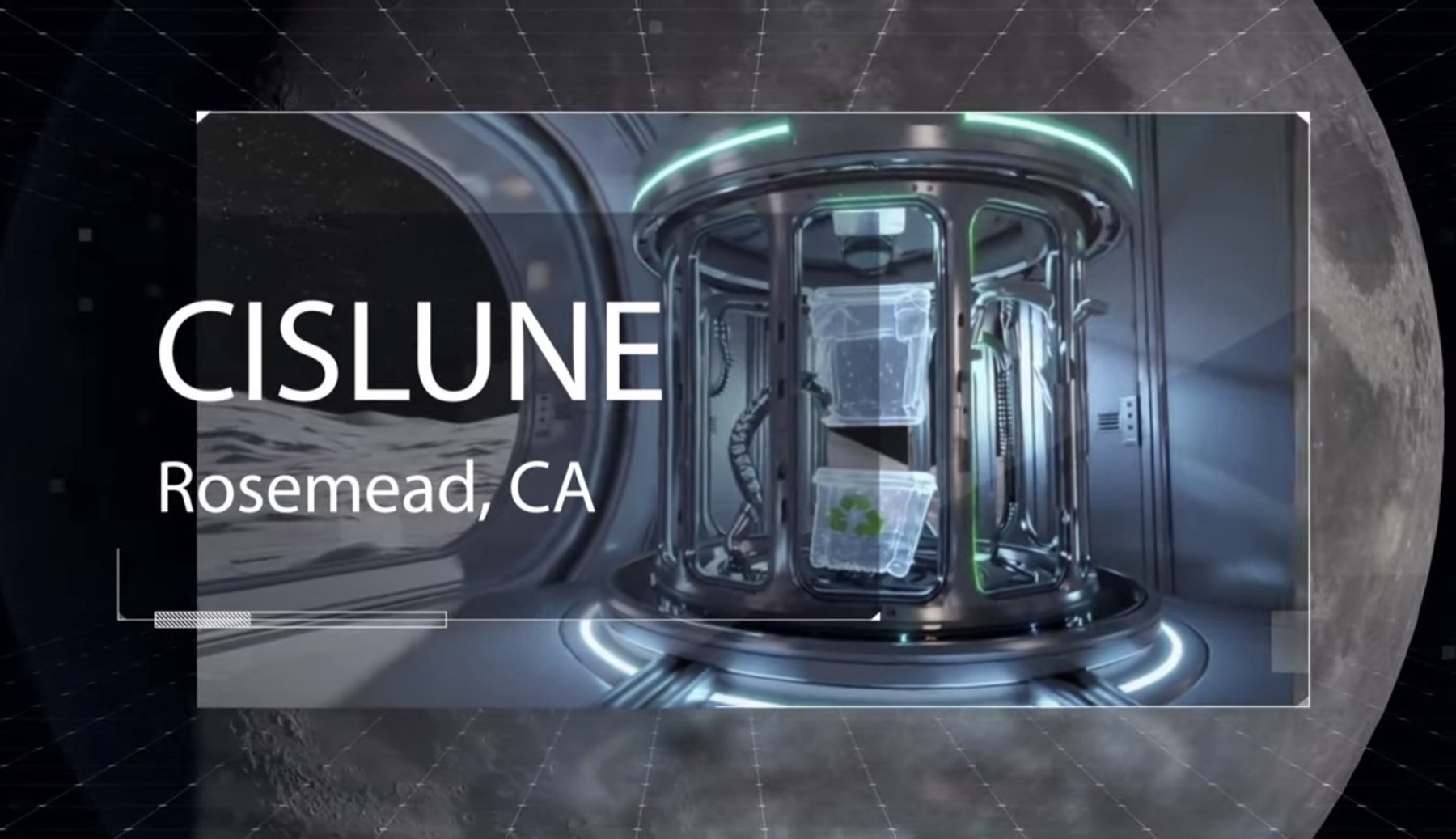
Latest: Cislune earned second place and a $200,000 prize in NASA’s Deep Space Food Challenge: Mars to Table for Fresh, Ferment, Reserve. Read the story and watch the finals presentation. Read NASA’s announcement.
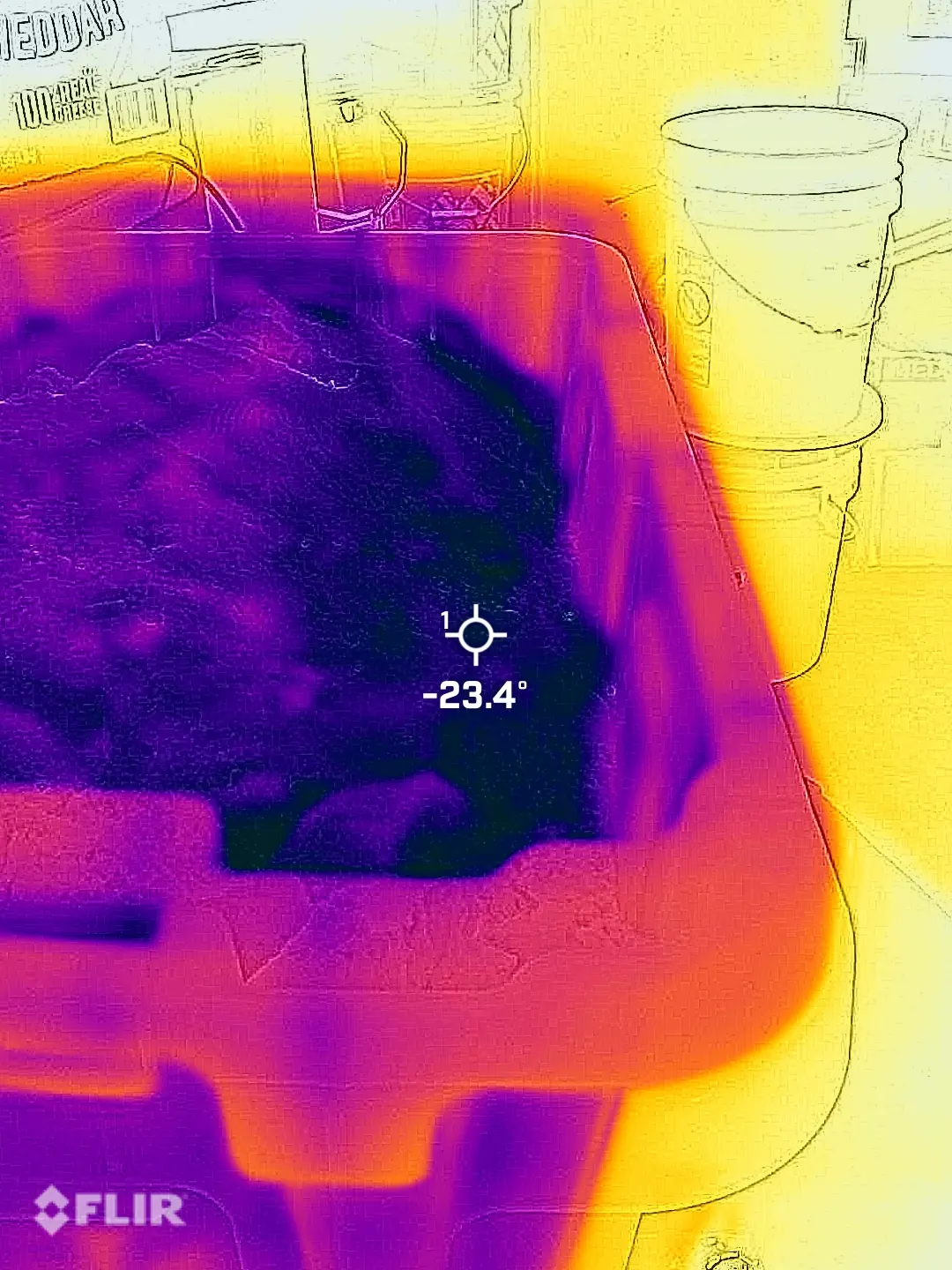
Latest: Cislune’s CRAFTER system earned NASA’s $50,000 Highest Mass Efficiency Prize in the 2026 LunaRecycle Challenge finals. Read NASA’s announcement.
Collaboration framing
Each award points to a practical collaboration area.
The award history helps NASA reviewers, agency teams, primes, commercial space companies, and research collaborators understand where Cislune already has relevant funded work, hardware evidence, and technical depth.
Start with need
Mission requirement, demonstration objective, integration gap, test need, field campaign, or operational risk.
Map to experience
Identify which Cislune technology area, NASA award, or facility capability is relevant.
Define the next proof point
Choose the study, simulation, hardware build, test campaign, demonstration, or integration milestone that creates useful evidence.
Award map
NASA SBIR/STTR portfolio
| Year | Program | Phase | Contract | Public transition angle |
|---|---|---|---|---|
| 2021 | High Efficiency Sintering via Beneficiation | Phase I STTR | 80NSSC21C0409 | Regolith beneficiation and construction feedstock preparation. NASA SBIR/STTR program background |
| 2022 | Cislune Regolith Pathways and Landing Pads | Phase I STTR | 80NSSC22PA986 | Prepared surfaces, trafficability, pads, roads, and lunar civil infrastructure. NASA TechPort project page NASA 2022 STTR archive |
| 2023 | Deflector Cone and Vented Launch Pad | Phase I SBIR | 80NSSC23PB391 | Landing protection, plume-surface interaction, and ejecta mitigation. NASA 2023 SBIR archive |
| 2023 | CRUST | Phase I STTR | 80NSSC23PB395 | Surface systems and regolith mechanics context for infrastructure work. NASA 2023 STTR archive |
| 2023 | Refuse to Get Stuck Rovers | Phase I STTR | 80NSSC23PB393 | Rover traction, mobility risk reduction, and trafficable worksite preparation. NASA 2023 STTR archive |
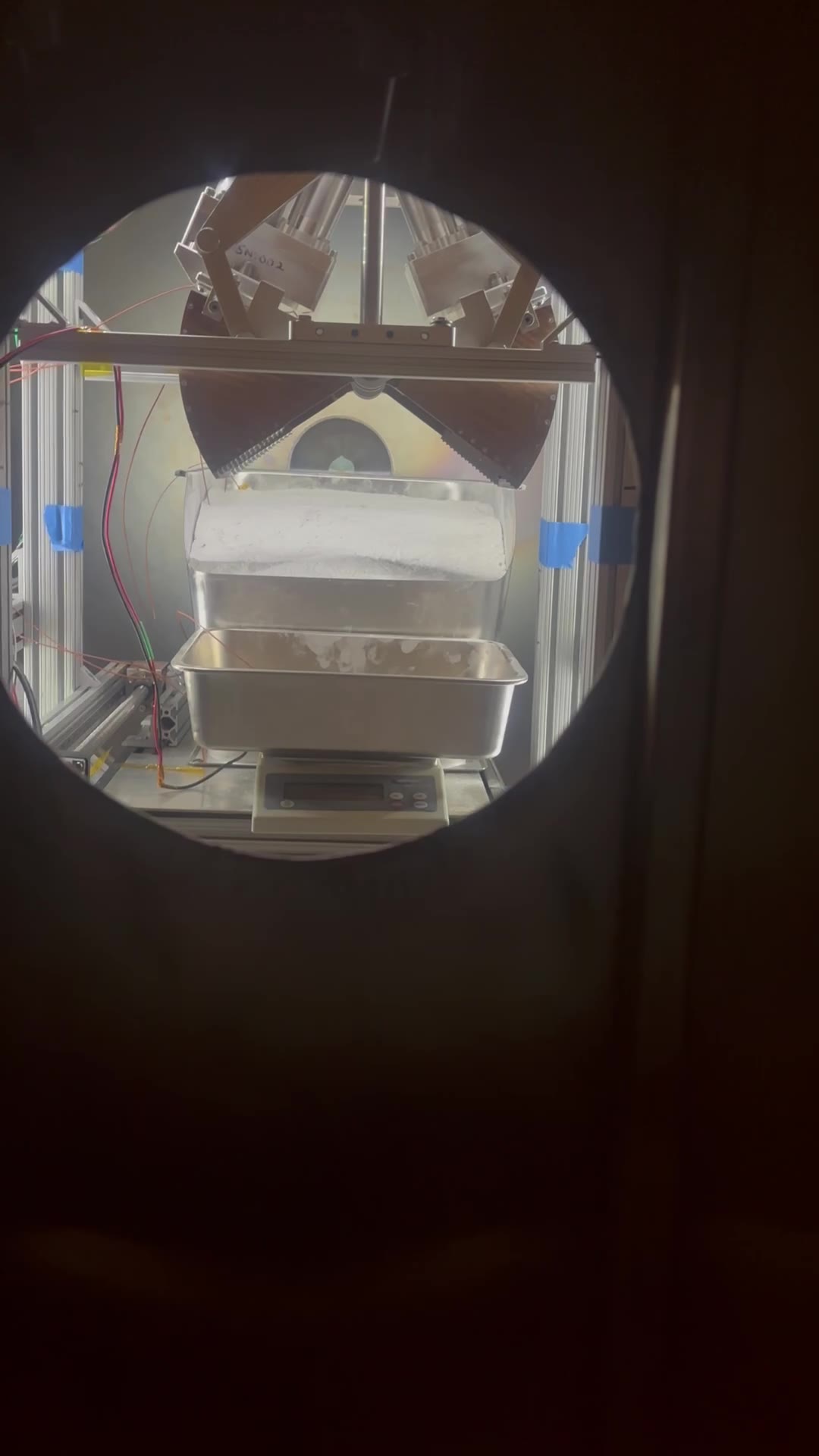
| 2023 | Minimizing Volatile Sublimation During Excavation | Phase I SBIR | 80NSSC23PB394 | Volatile preservation during icy-regolith excavation and ISRU collection. NASA 2023 SBIR archive |
| 2024 | CISORT | Phase I SBIR | 80NSSC24PB289 | Sorting and beneficiation for useful lunar feedstocks. NASA 2024 SBIR archive |
| 2024 | FLUFSCAN | Phase I SBIR | 80NSSC24PB290 | Plume-surface sensing, landing-site preparation, and protective infrastructure. NASA 2024 SBIR archive |
| 2024 | PERDEX | Phase II SBIR | 80NSSC24CA112 | Tested volatile-aware excavation hardware and ISRU integration paths. PERDEX case study Official SBIR award page |
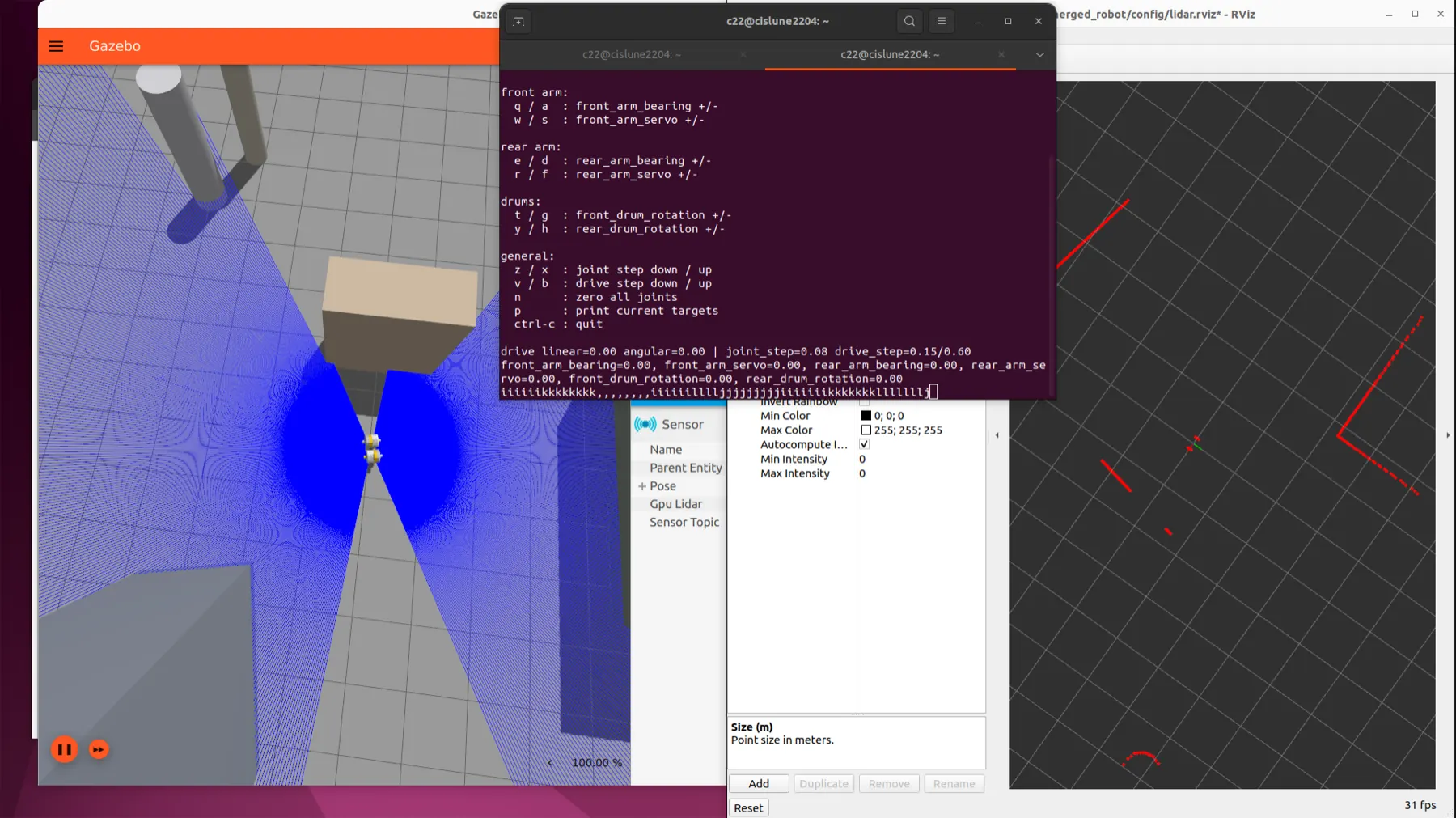
| 2024 | TRUST | Phase I STTR | 80NSSC24PB222 | Trusted autonomy, operator understanding, mission rehearsal, OpenMCT context, and SimMoon scenario simulation. SimMoon case study NASA 2024 STTR archive SBIR portfolio context SimMoon page |
| 2024 | SHEARPREP | Phase I STTR | 80NSSC24PB223 | Geotechnical sensing and surface preparation for lunar worksites. NASA 2024 STTR archive |
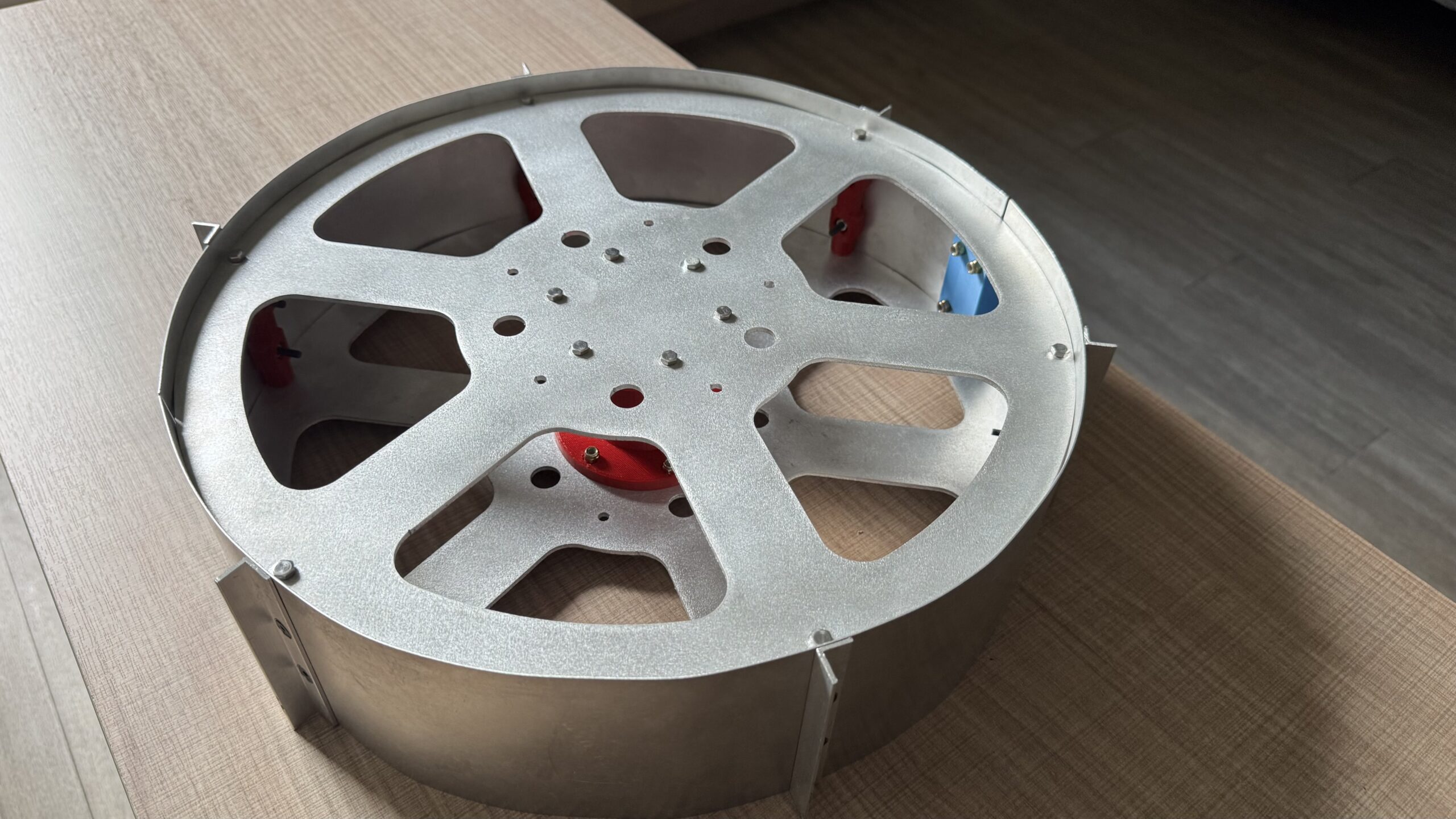
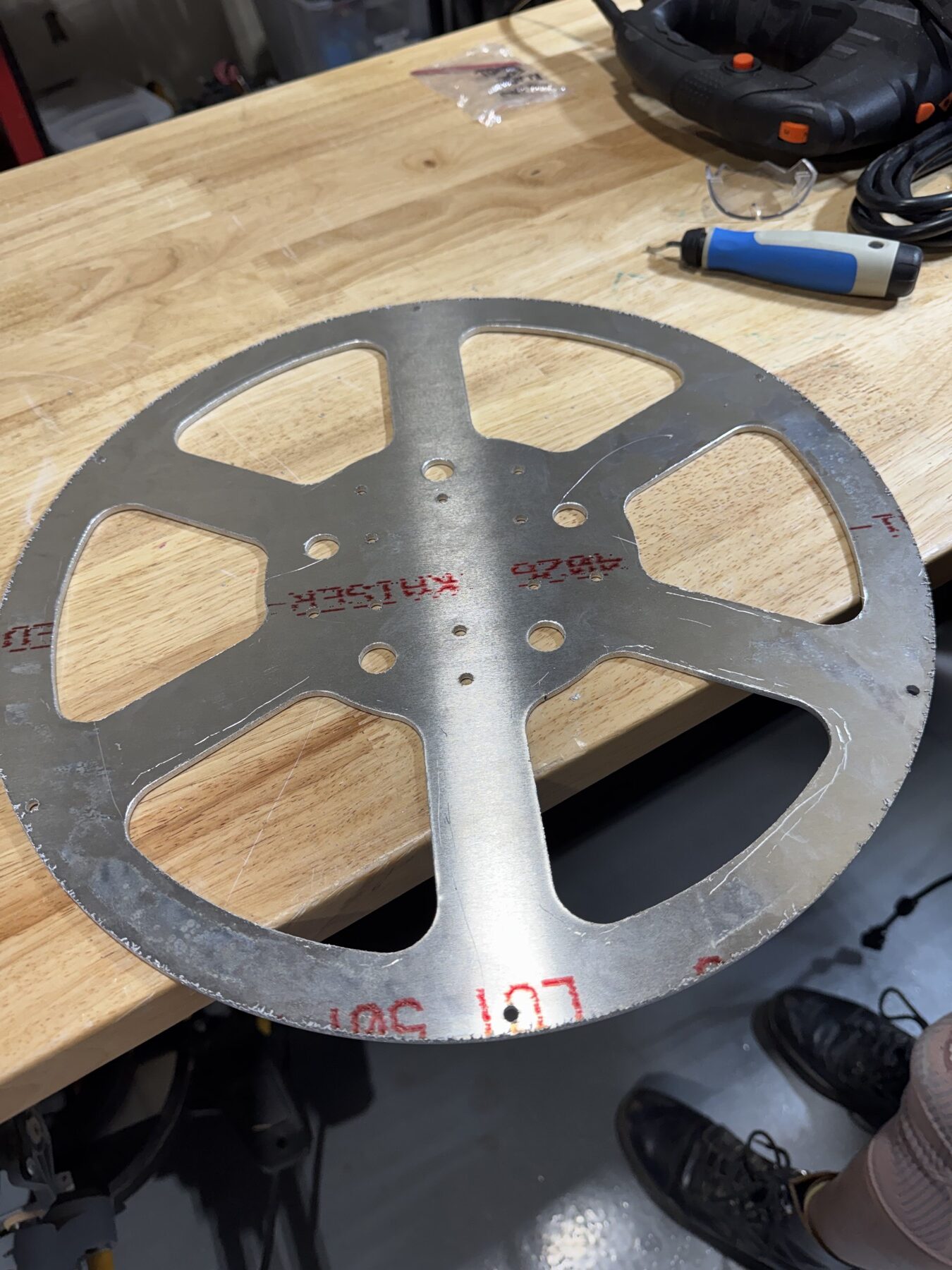
| 2025 | GRASP Compacting Wheels | Phase II STTR | 80NSSC25CA024 | Compacting wheels, trafficable surfaces, and site-preparation demonstrations. NASA STTR Phase II selection archive |
| 2025 | TREAD | Phase I SBIR | 80NSSC25C0166 | Wheel-terrain interaction and granular-material mobility performance. NASA 2025 SBIR archive |
| 2025 | CISORT | Phase II SBIR | 80NSSC26C0018 | Sorting subsystem maturation for ISRU, construction, and processing pilots. NASA SBIR Phase II selection archive |
| 2026 | CITA/TRUST Phase II | Phase II STTR | Awarded | Trusted autonomy, mission rehearsal, digital twins, hardware-in-the-loop workflows, and operator decision support. SimMoon on Apple App Store |
Links point to NASA, TechPort, SBIR.gov, or other program sources where a useful public record is available.
Portfolio evidence
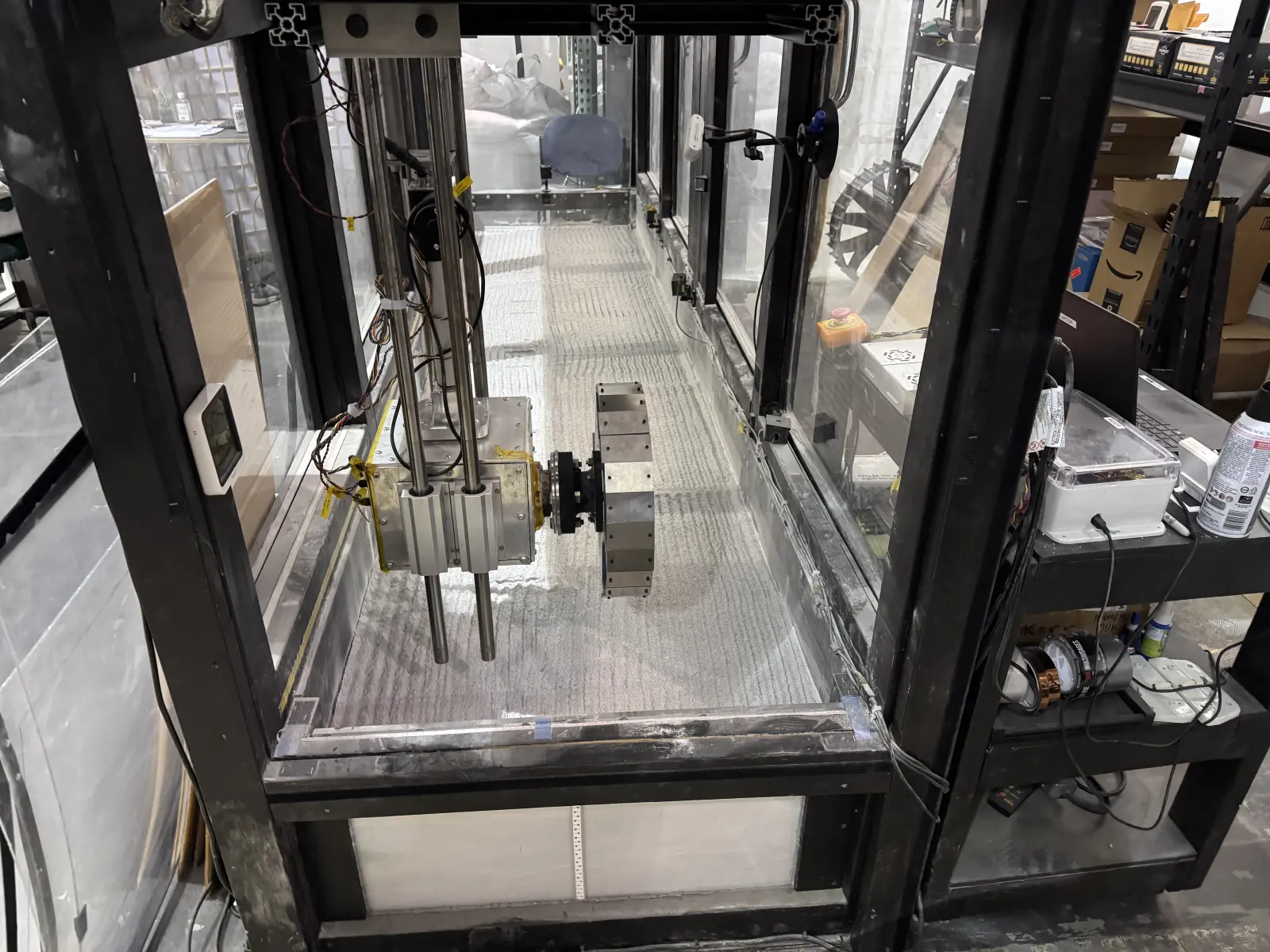
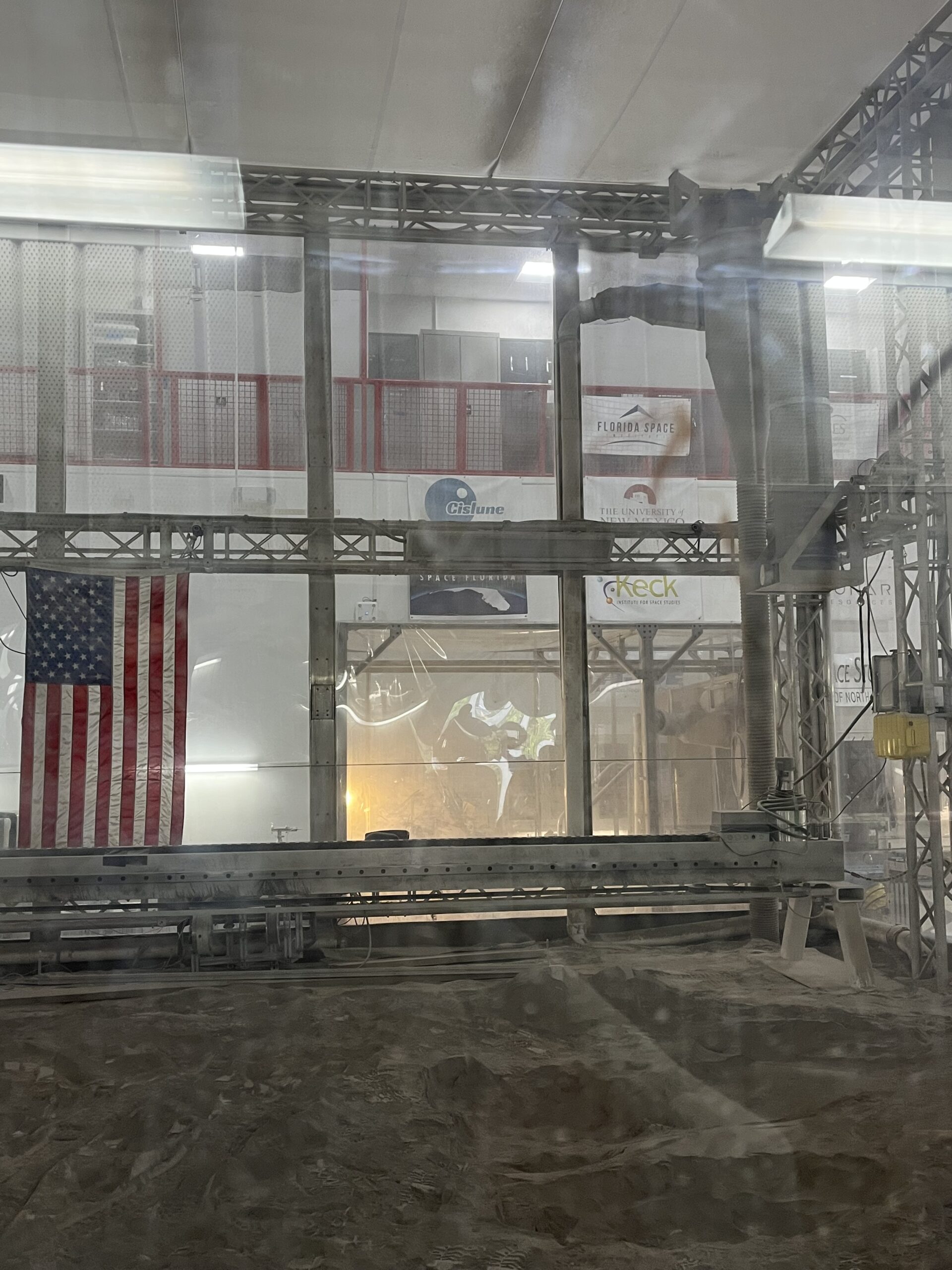
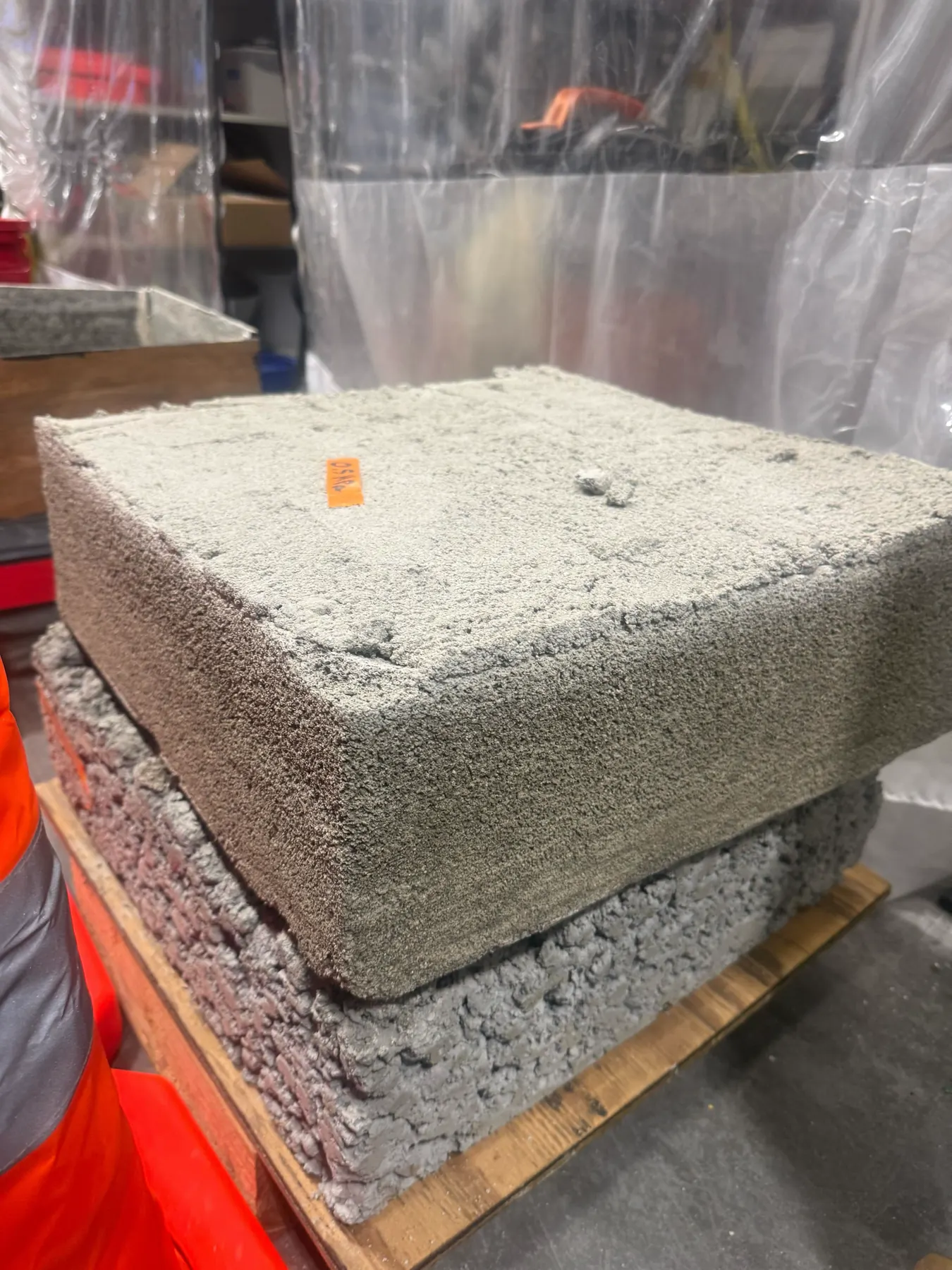
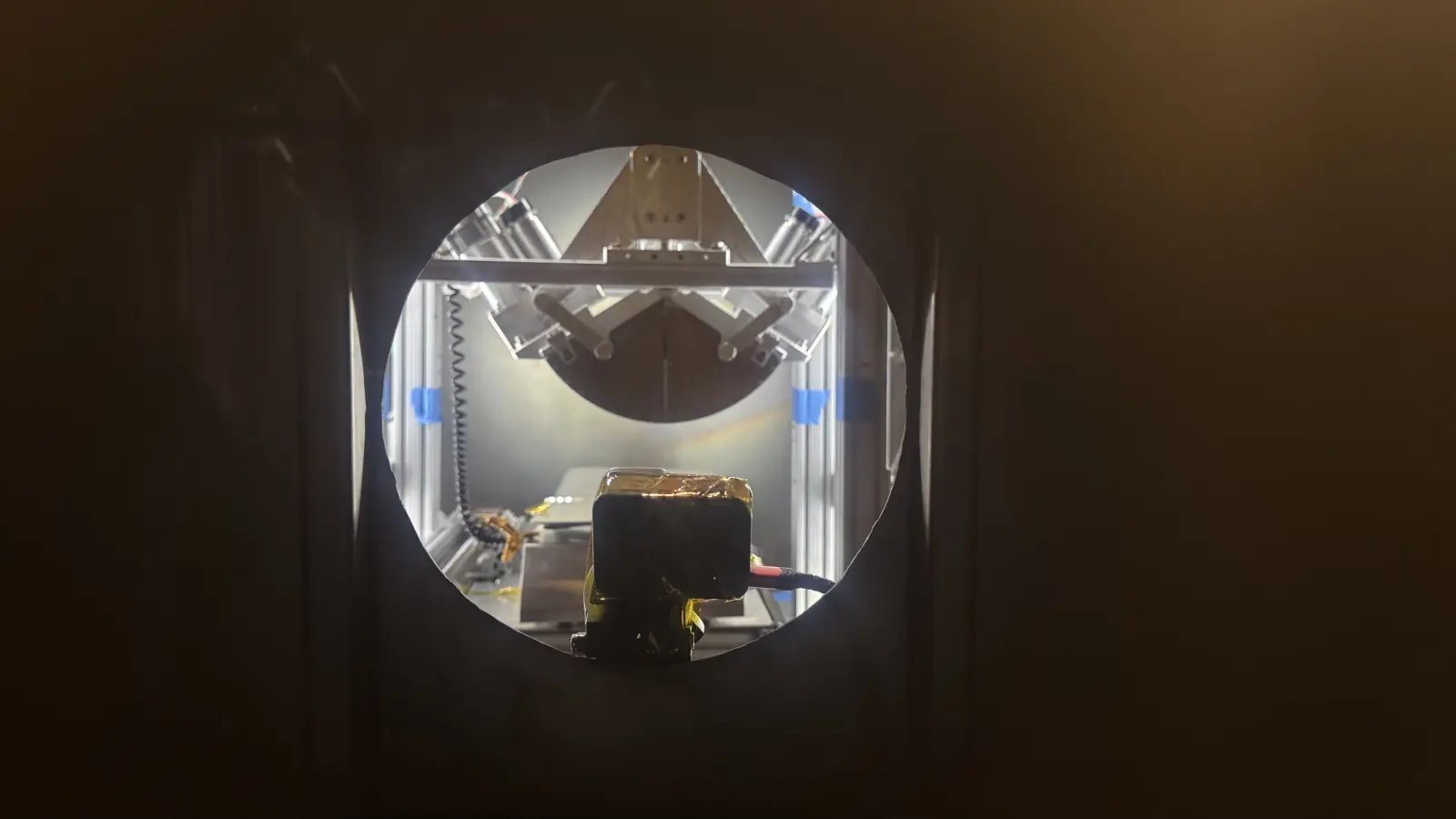
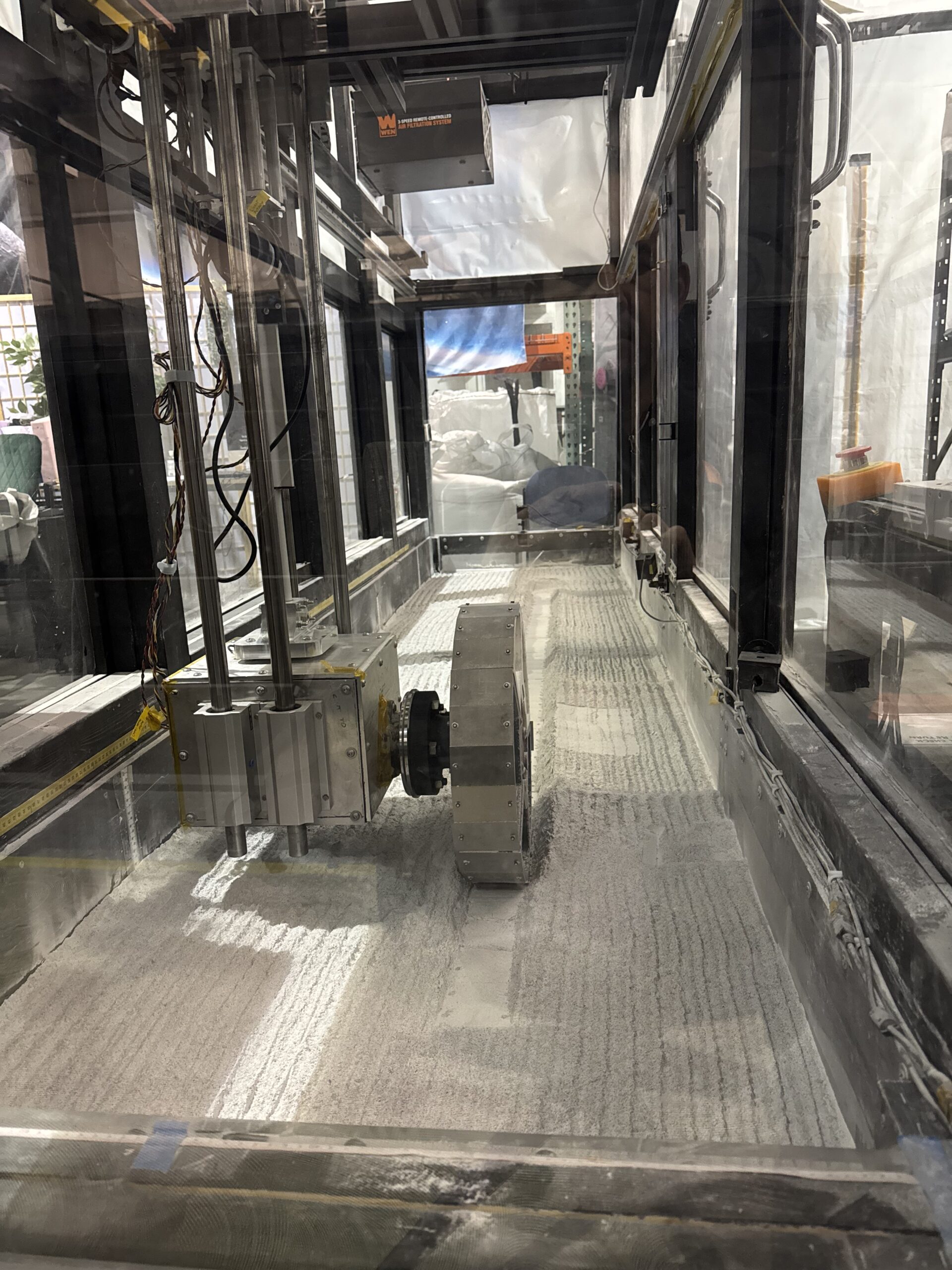
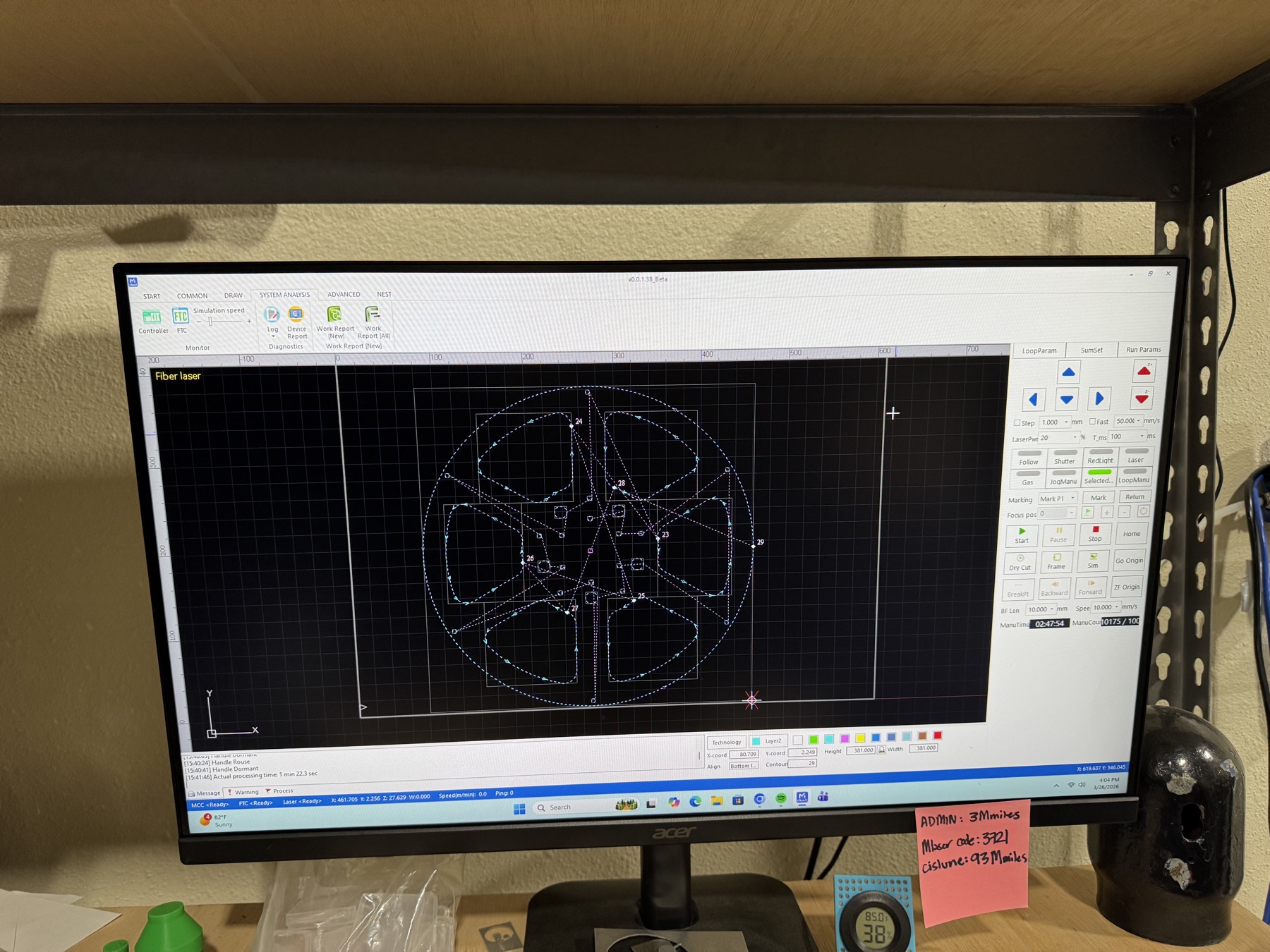
The award map connects to hardware, software, and test assets
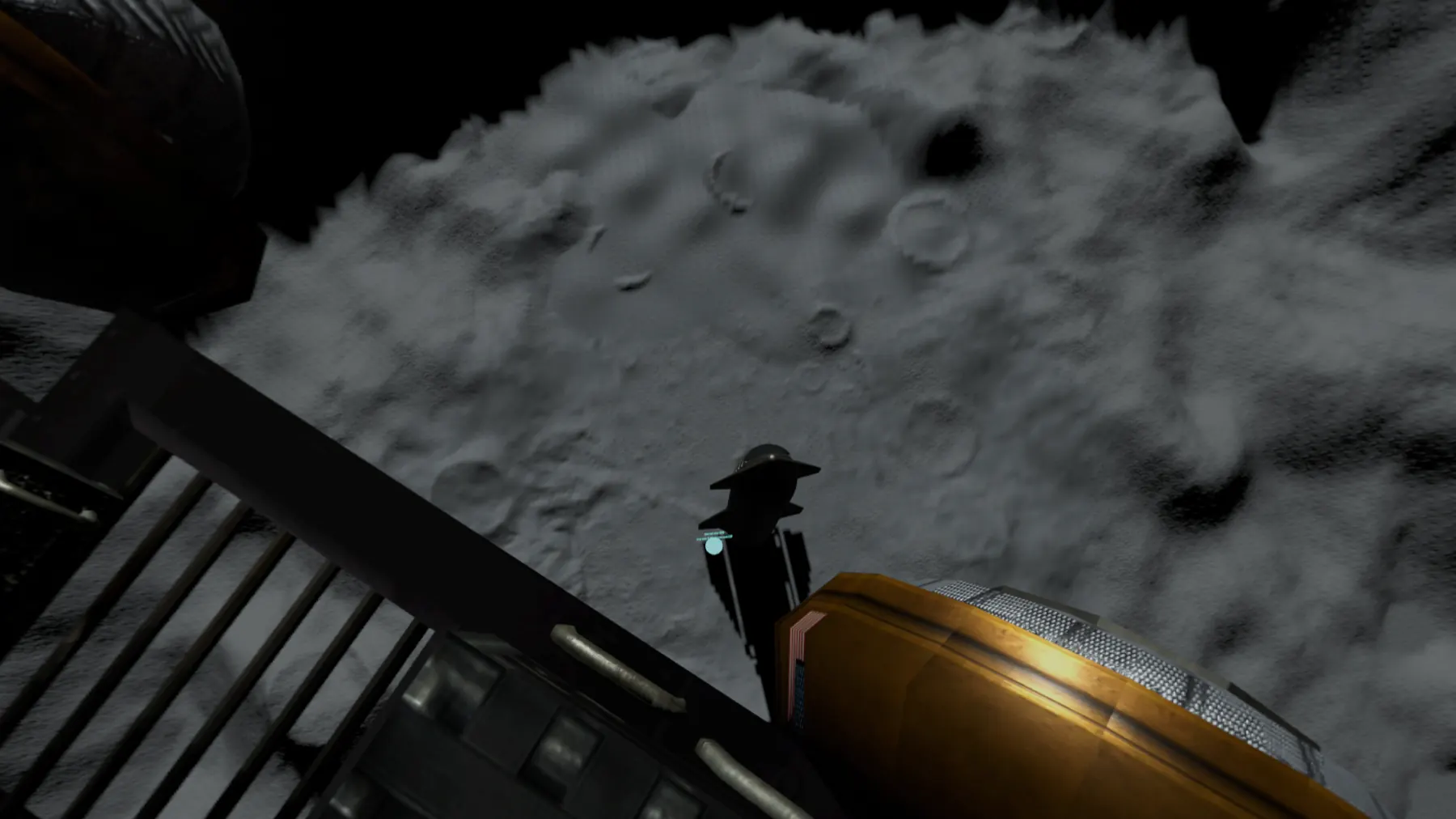
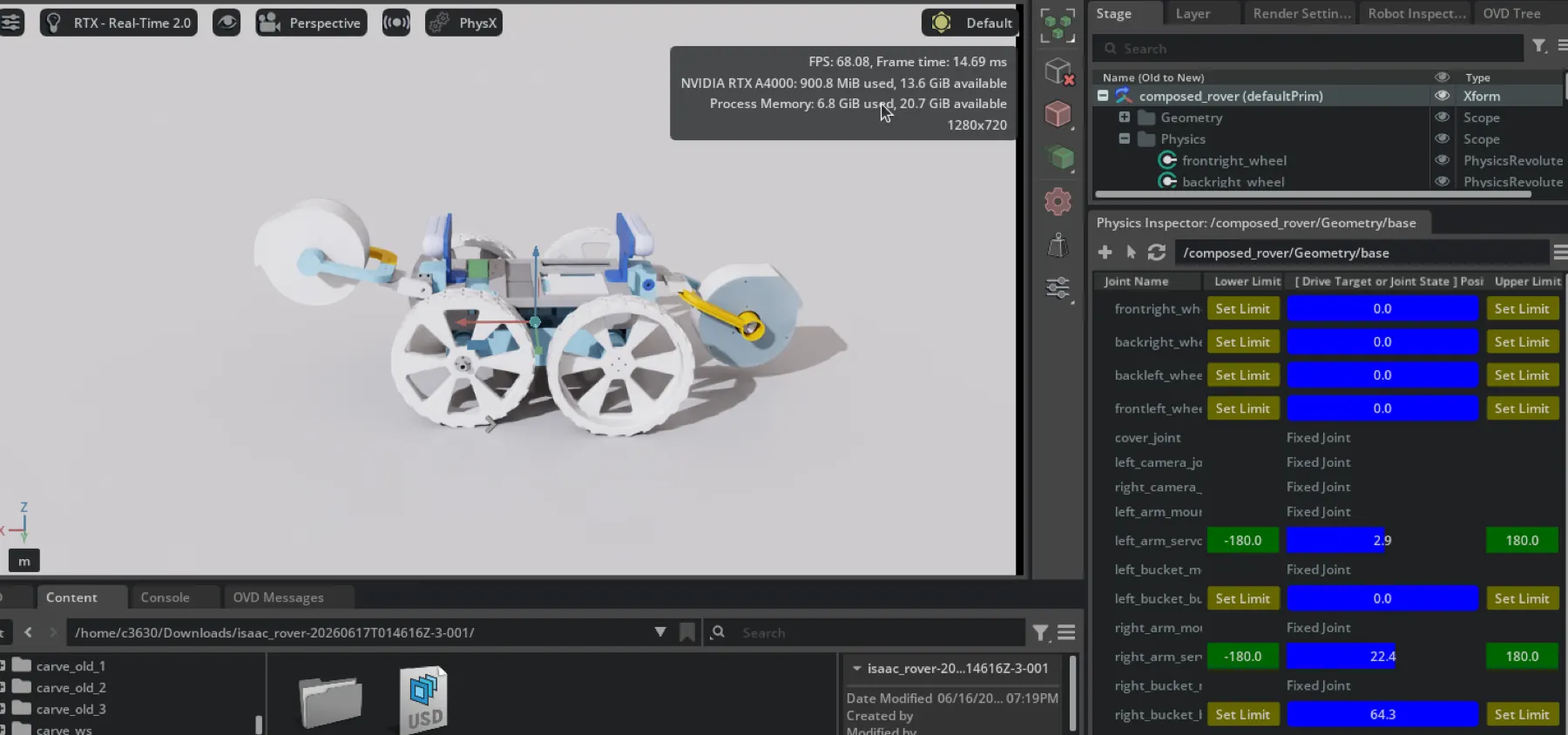
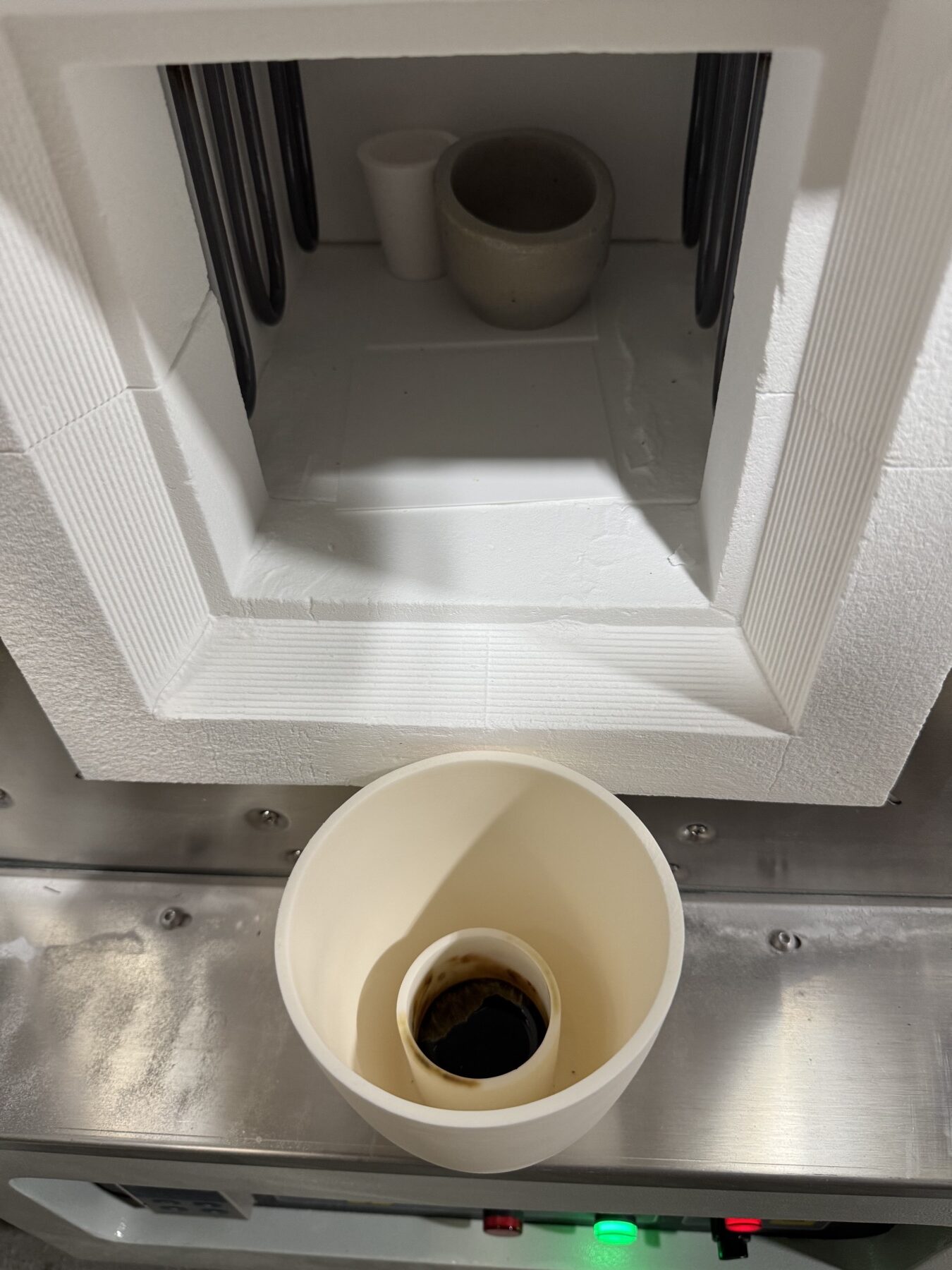
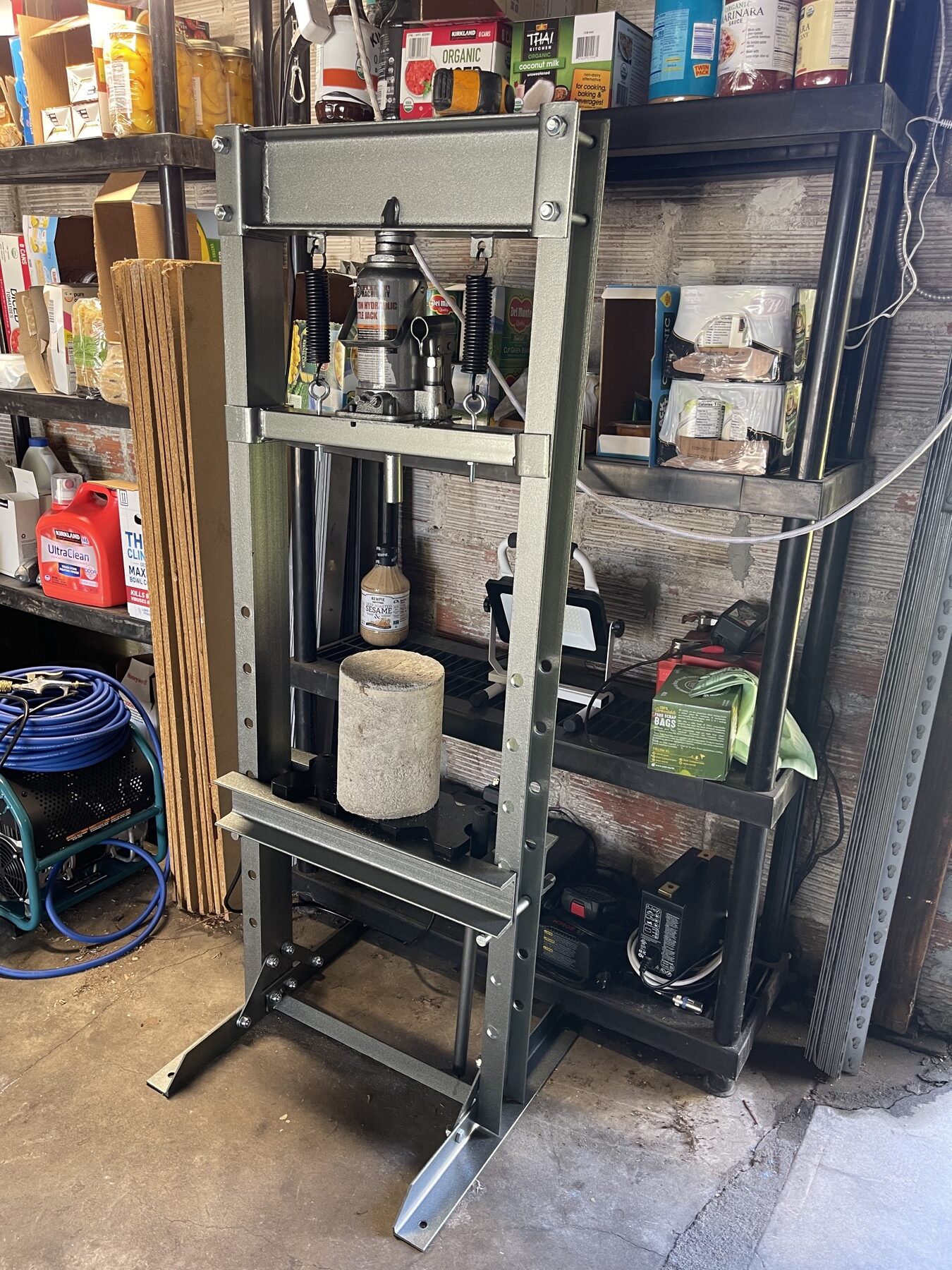
Break the Ice Lunar Challenge
Field evidence from the Mojave
Cislune completed its NASA Break the Ice Challenge Phase 2 Level 2 campaign in September 2023, demonstrating excavation, mobility, autonomy supervision, and resource handling under sustained field conditions.
Over 15 days in Lucerne Valley, the system excavated and transported more than 3,280 kg of icy-regolith simulant, completed 77 excavation-transit-delivery cycles, and drove about 87 km. The campaign required field logistics, maintenance, weighing, delivery, and rapid iteration in harsh desert conditions.
Opportunity clusters
Where the portfolio can support new work
Ice and volatiles
PERDEX tested hardware and volatile sublimation work support excavation payloads, icy-regolith testing, and ISRU pilot integration.
Feedstock preparation
CISORT and beneficiation work support sorting, material handling, construction feedstocks, and downstream processing.
Worksite infrastructure
GRASP, SHEARPREP, traction, roads, pads, and landing-surface work support safer repeatable operations.
Excavation and analog testing
Nostromo, RE-RASSOR-style concepts, bucket drums, penetrometer work, and Lucerne Valley operations support realistic surface-system testing.
Construction materials
Geopolymer and CLSM production themes support conversations around regolith-derived pads, roads, berms, and construction analogs.
Landing protection
FLUFSCAN and launch/landing-pad concepts support PSI instrumentation, mitigation, and asset protection.
Autonomy and simulation
SimMoon, TRUST, and CITA support mission rehearsal, digital twins, trusted autonomy, and operator training.
Recycling and logistics
LunaRecycle, Break the Ice, and Cislune’s field assets support demos, transport, and practical resource-handling work.
NASA Break the Ice results background
Agency transition
Phase III is available when the requirement fits.
For NASA and other US agency teams, some Cislune award areas may support Phase III transition discussions when a real requirement maps to prior SBIR/STTR work.