Simulation and mission rehearsal
Rehearse lunar work before hardware is on the line
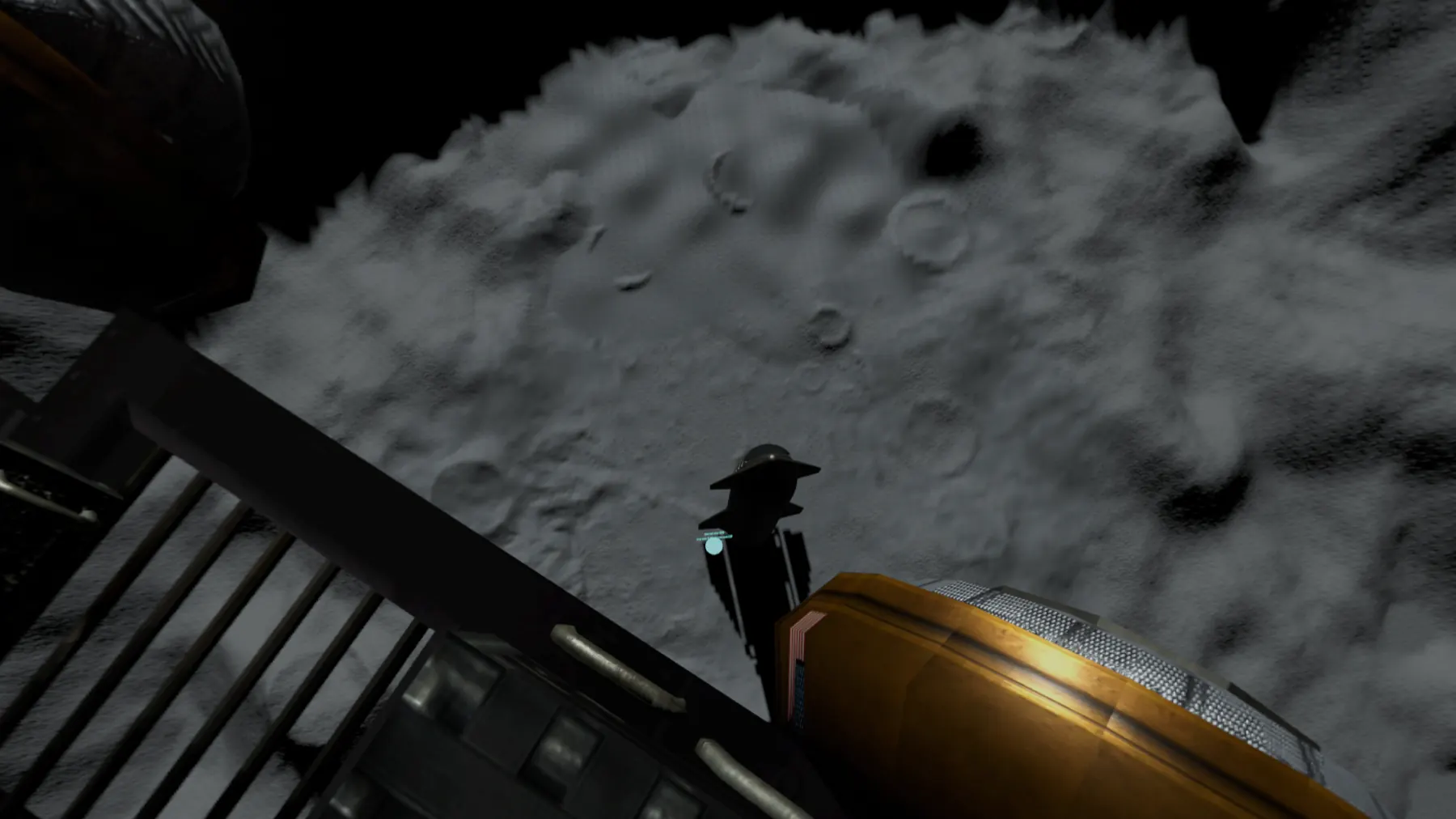
SimMoon gives teams an interactive environment for exploring lunar surface operations, rover behavior, operator decisions, autonomy, and mission concepts before committing scarce test time or flight hardware.
Why SimMoon
Complex surface operations are easier to improve when everyone can see them.
Lunar missions combine uncertain terrain, limited power, changing resources, robotic teammates, and narrow recovery opportunities. SimMoon helps teams expose assumptions, compare operational choices, and communicate system behavior early enough to change the design.
It complements Cislune’s physical hardware and field testing by connecting mechanism behavior, surface conditions, software, autonomy, and the people making mission decisions.
Collaboration paths
Use the environment around a real question.
Mission concepts
Turn a surface architecture or operations concept into an environment that technical teams, reviewers, and decision makers can inspect together.
Scenario authoring
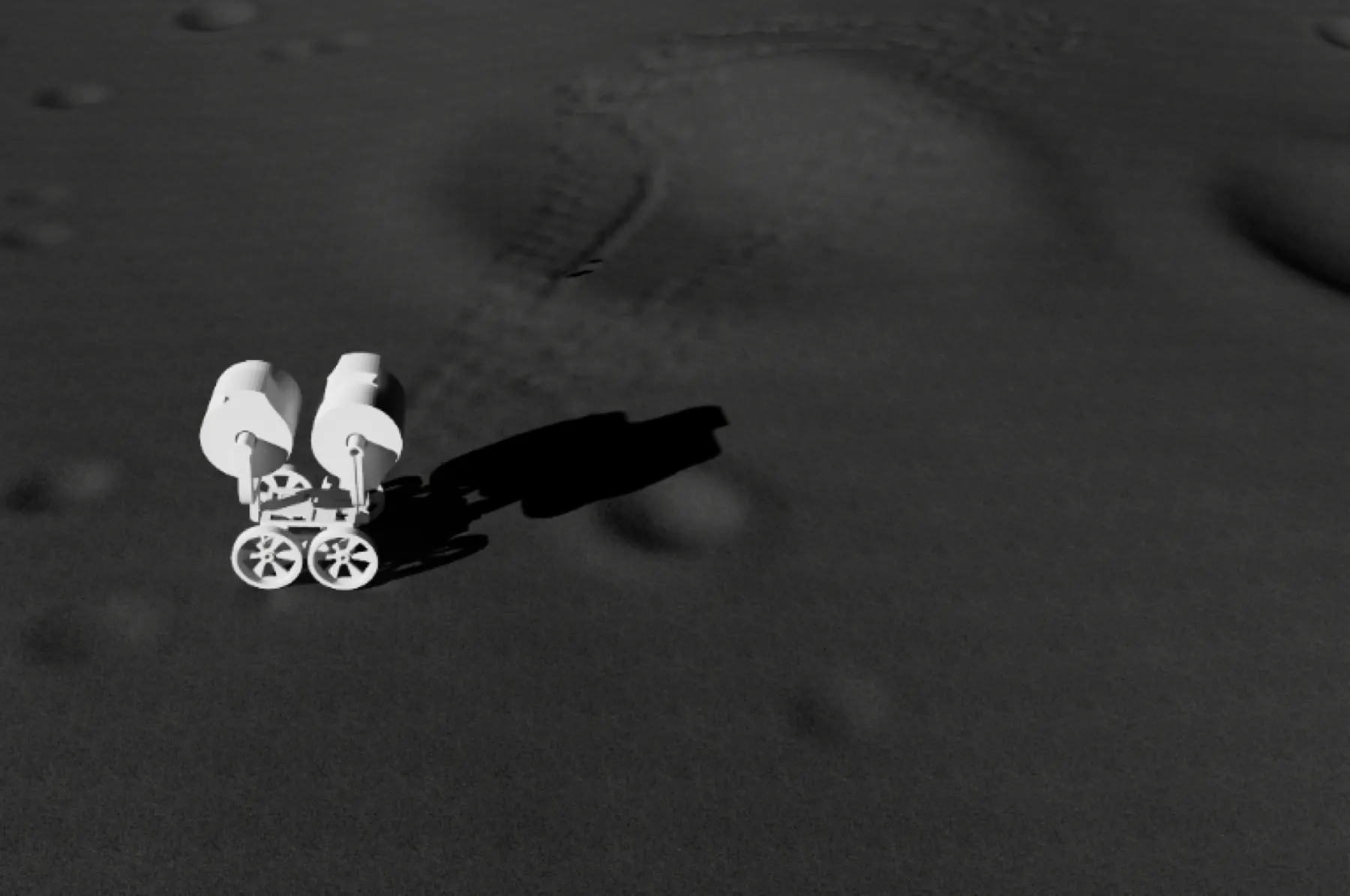
Represent terrain, tasks, vehicles, payloads, resources, and operational constraints without disclosing protected implementation details.
Operator and autonomy studies
Explore how humans understand, direct, and collaborate with increasingly capable robotic systems.
Digital-twin demonstrations
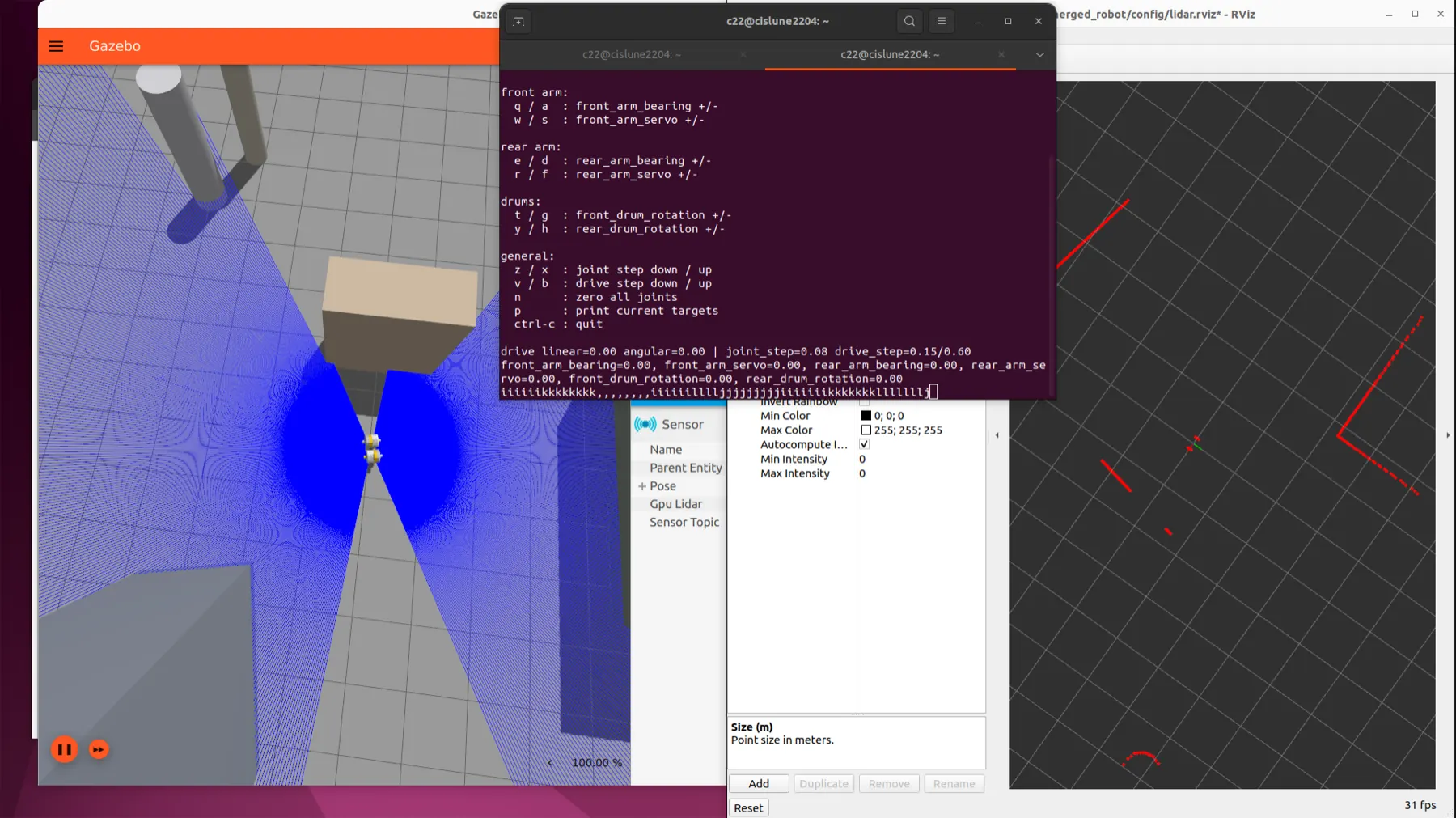
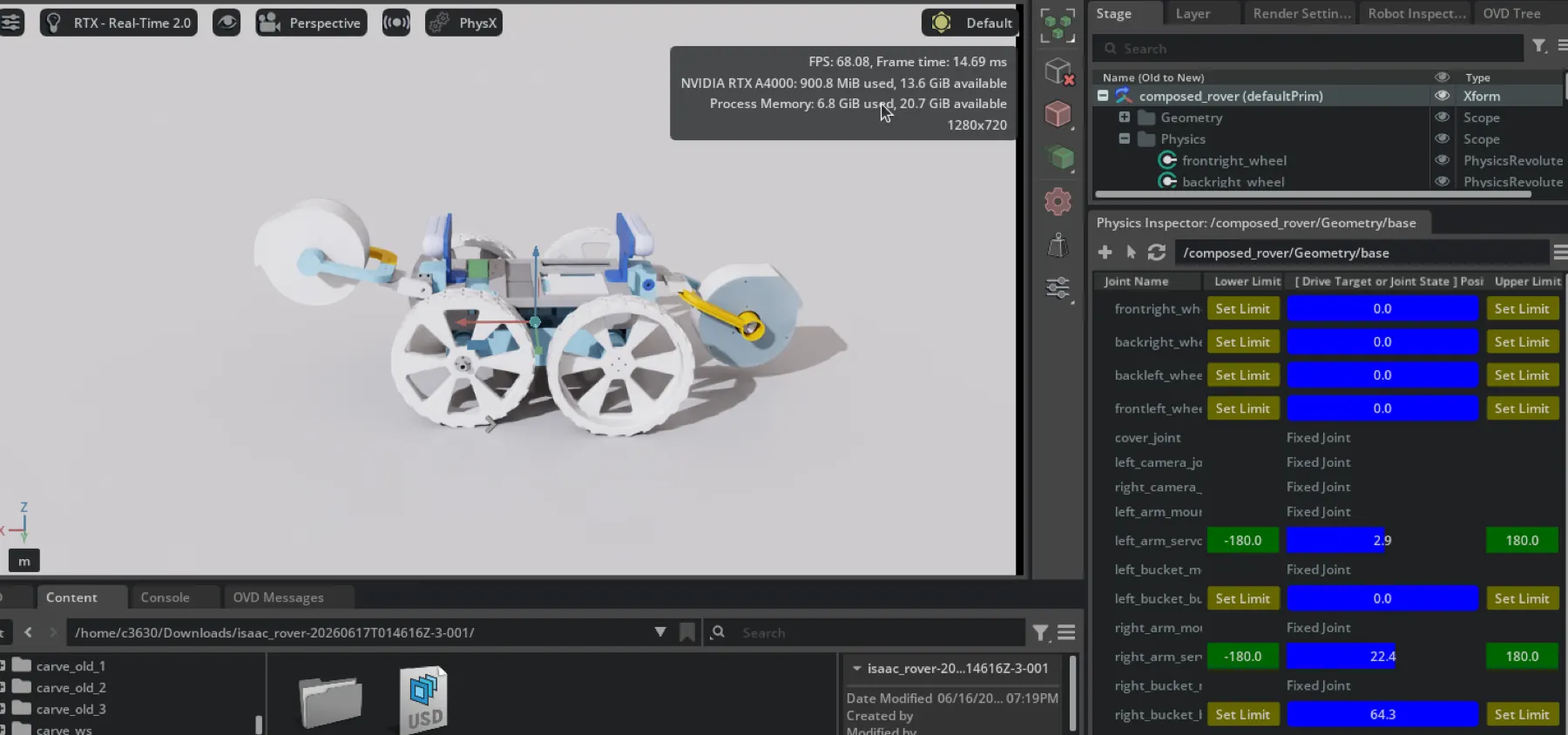
Connect simulated operations with hardware, telemetry, and evolving system designs for partner reviews and development work.
Research foundation
Built alongside Cislune’s trusted-autonomy work.
SimMoon supports Cislune’s work on mission rehearsal and trusted human-autonomy interaction, including the TRUST/CITA research line.
Start a scenario
Bring a mission question, system concept, or operator challenge.
Cislune can help shape an interactive rehearsal, visualization, autonomy study, or customer-facing demonstration around the decision your team needs to make.