Let’s build something that can do the work.
We work with agencies, space companies, universities, and researchers on excavation, robotics, materials, and lunar infrastructure. Early ideas are welcome.
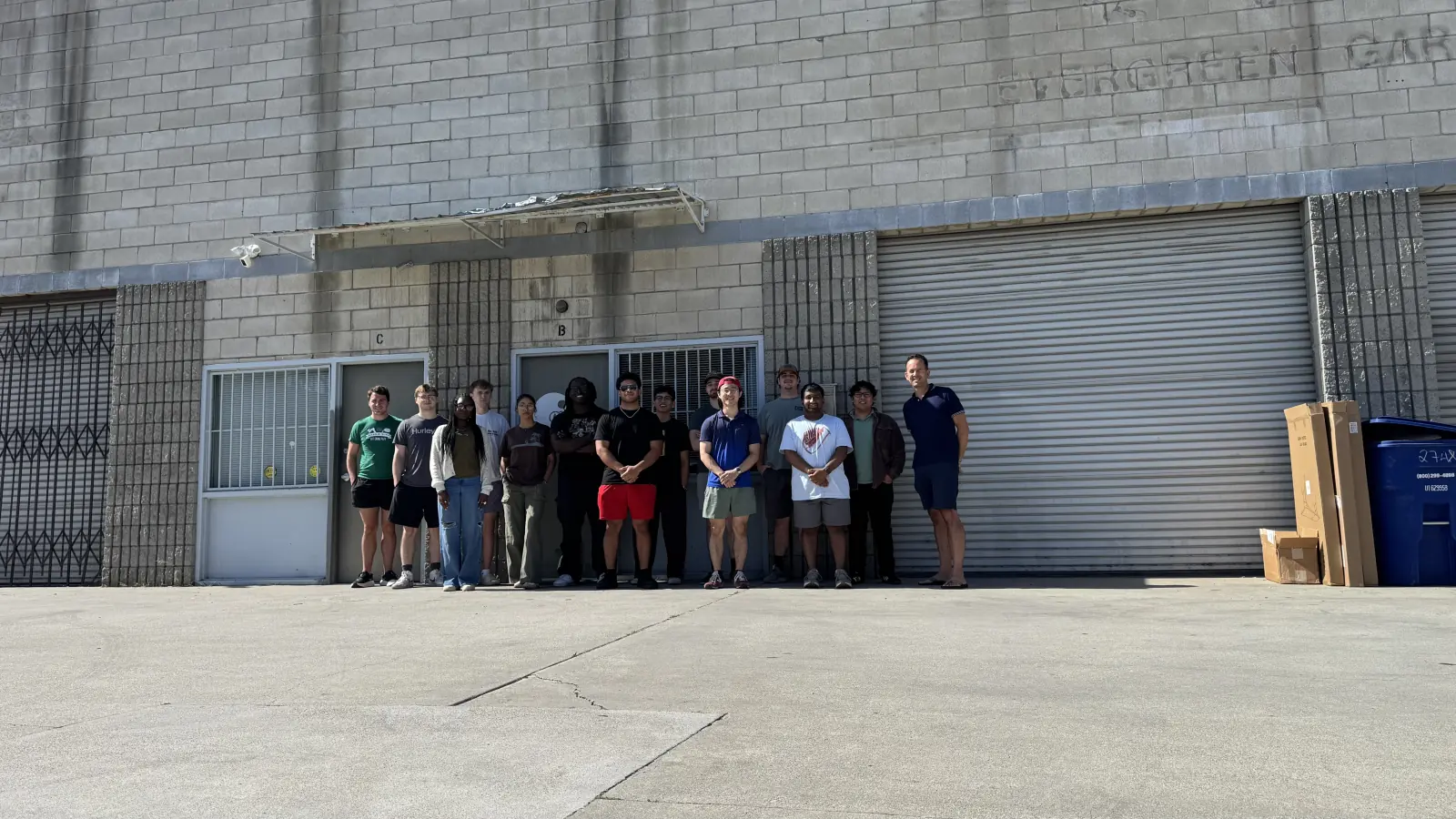
A useful conversation can start small.
You might have a mission concept, hardware that needs testing, a simulation question, or a new application for our work. We can help identify a practical next step together.
Depending on the project, that could be a study, prototype, test campaign, software integration, or field demonstration.
Where we can contribute
Develop a subsystem
Excavation, material handling, rover mechanisms, controls, or resource-processing hardware. Start with the function and interfaces you need.
Technology areasPlan and run a test
Regolith interaction, wheel behavior, materials, or field operations. We can bring fixtures, fabrication, instrumentation, and hands-on test work.
Facilities and test supportExplore an operation
Use simulation and mission rehearsal to investigate rover behavior, operator decisions, and the steps a surface task will require.
SimMoon mission rehearsal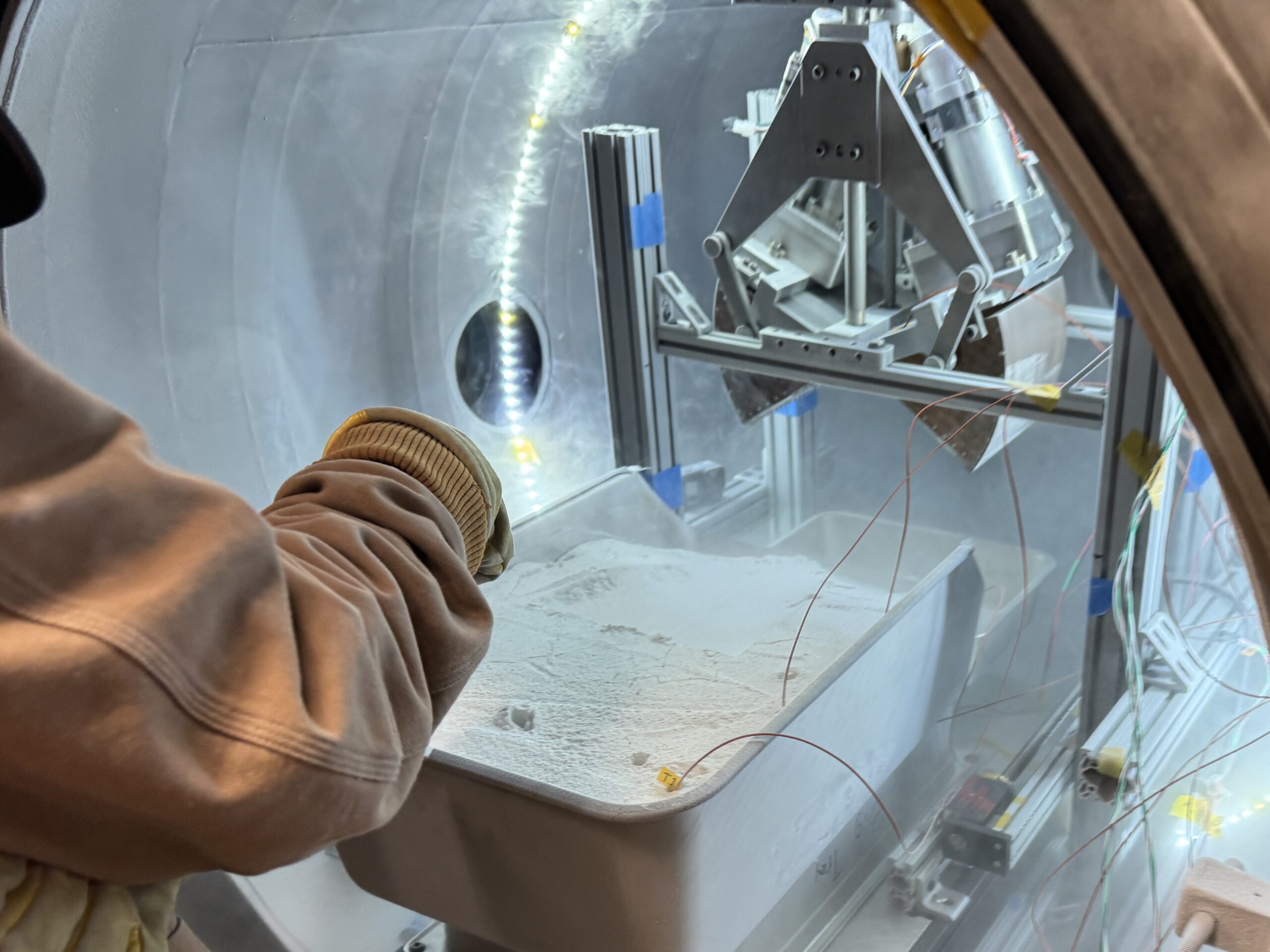
Working together on icy-regolith excavation.
Cislune has worked with Honeybee Robotics, a Blue Origin company, on the PERDEX excavation effort. The hardware has completed testing, including a thermal-vacuum campaign.
The program brings excavation, material handling, and volatile preservation into the same engineering discussion.
Read the PERDEX case studyLockheed Martin
Cislune supports Lockheed Martin on commercial lunar infrastructure work involving regolith-based surface systems.
We also welcome conversations about new applications for Cislune’s excavation, materials, robotics, and testing capabilities.
Discuss a commercial project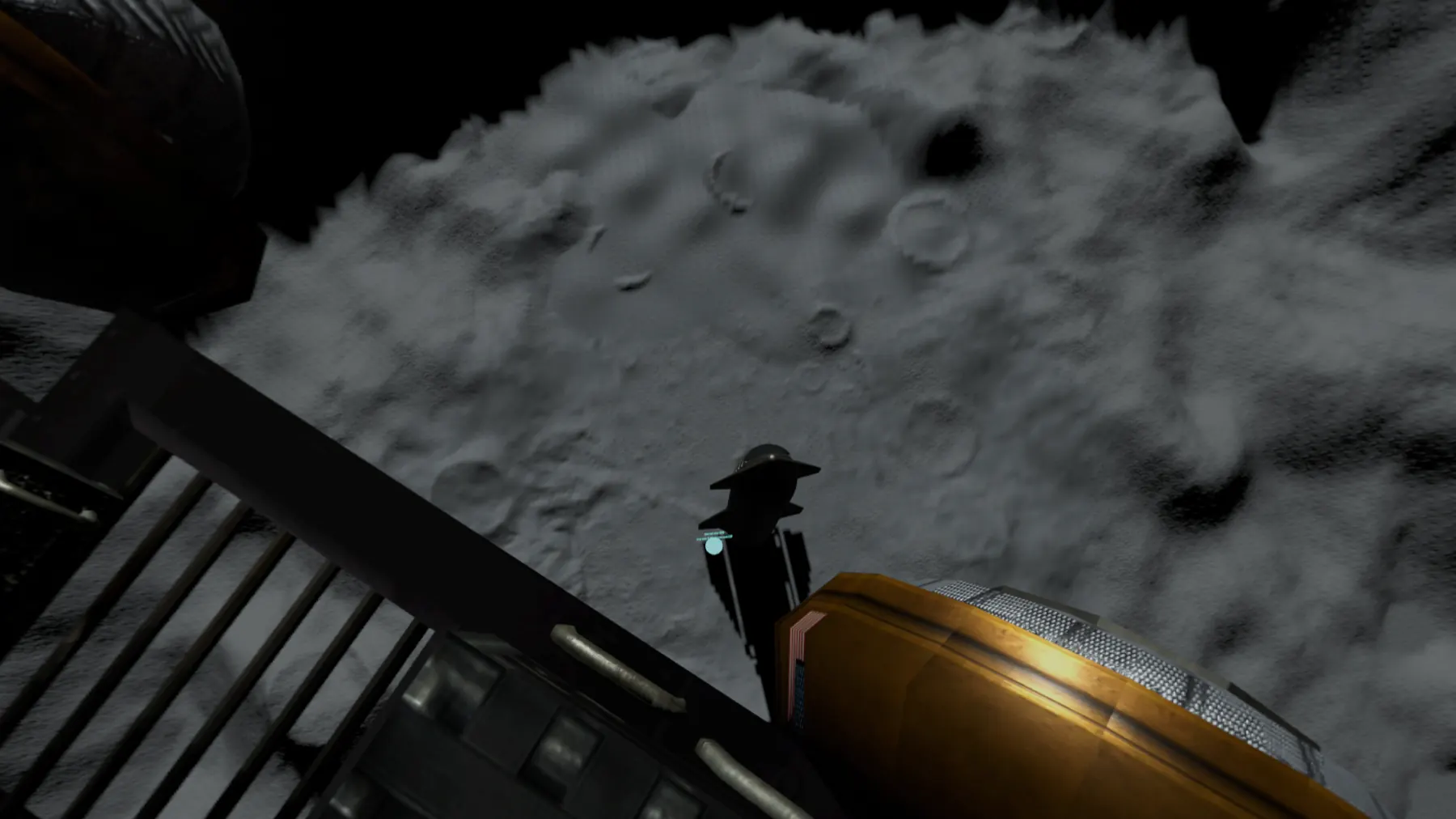
Build on the work already underway.
Researchers can explore SimMoon’s mission-rehearsal tools, then talk with us about experiments, payloads, or software integration.
For physical campaigns, our shop and field logistics provide another place to collaborate.
Explore SimMoonFor NASA and other US agencies
Where a requirement builds on Cislune’s prior SBIR/STTR work, Phase III may be an appropriate contracting path. We can discuss the relevant award and technical scope with your team.
Tell us what you’re thinking.
Share as much context as you have. A short note is enough to start.
Start a conversation