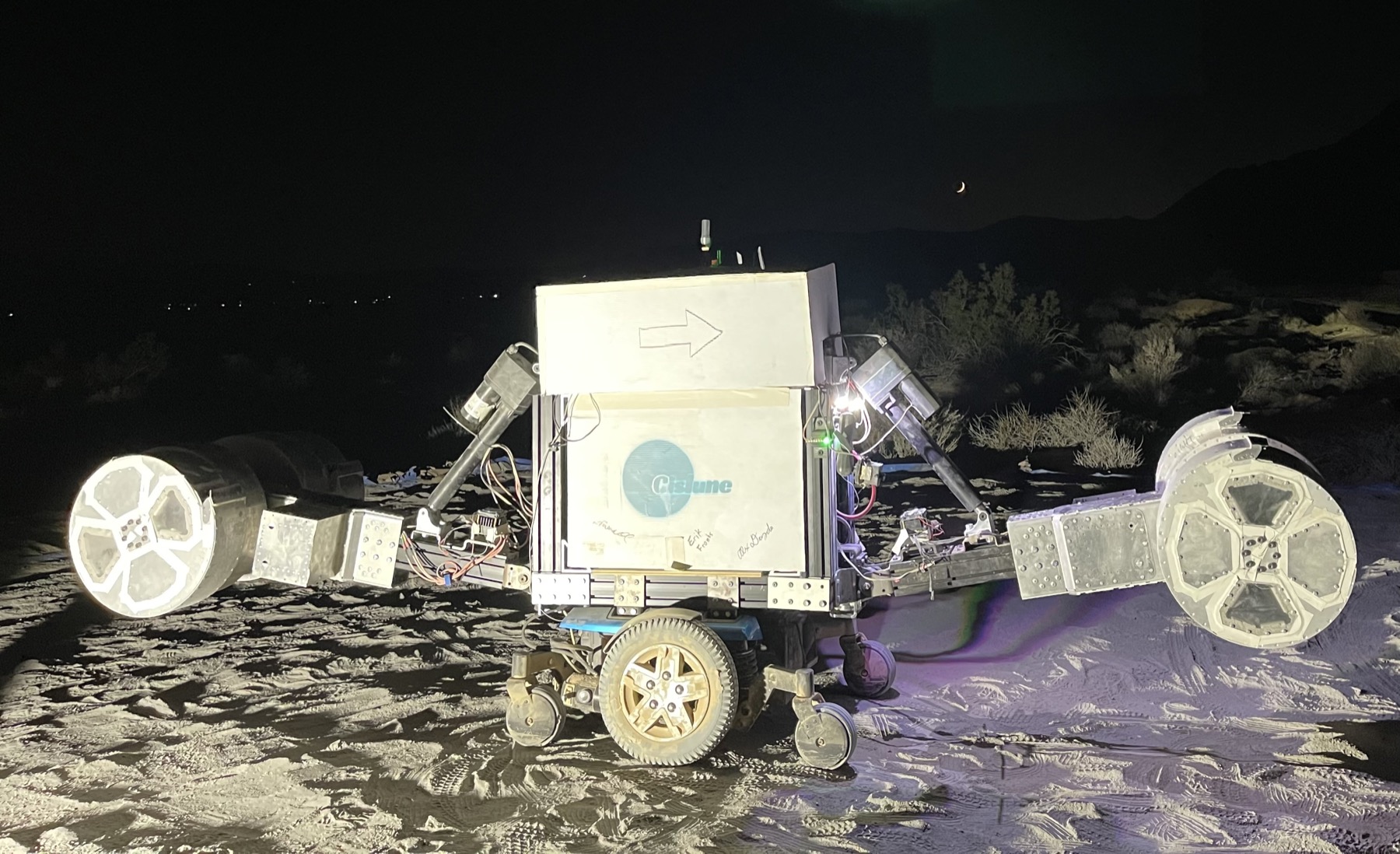
A sustained presence on the Moon needs ways to dig, move, and reuse material.
Cislune develops the machines and software for that work. In Southern California, our team builds excavation hardware, tests wheels in granular material, processes resources, and rehearses rover operations in simulation. Then we take the systems into test chambers and out into the field.
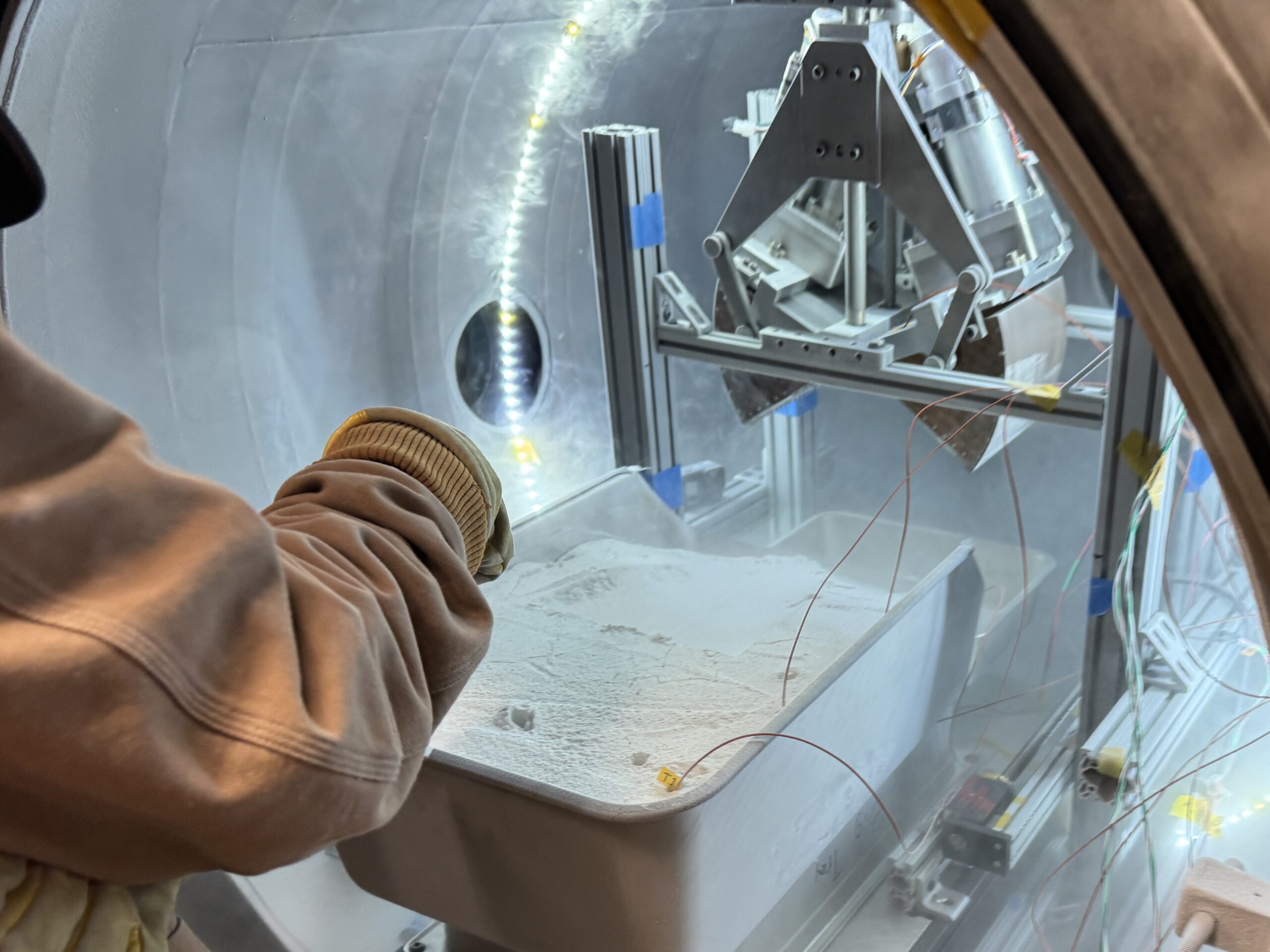
Excavation hardware put through thermal-vacuum testing.
Recovering lunar ice starts with collecting icy soil while limiting the water lost along the way. PERDEX addresses excavation and material handling as part of the same problem.
Cislune built and tested the hardware, including a thermal-vacuum campaign, and worked with Honeybee Robotics on the excavation effort.
Inside the PERDEX test campaign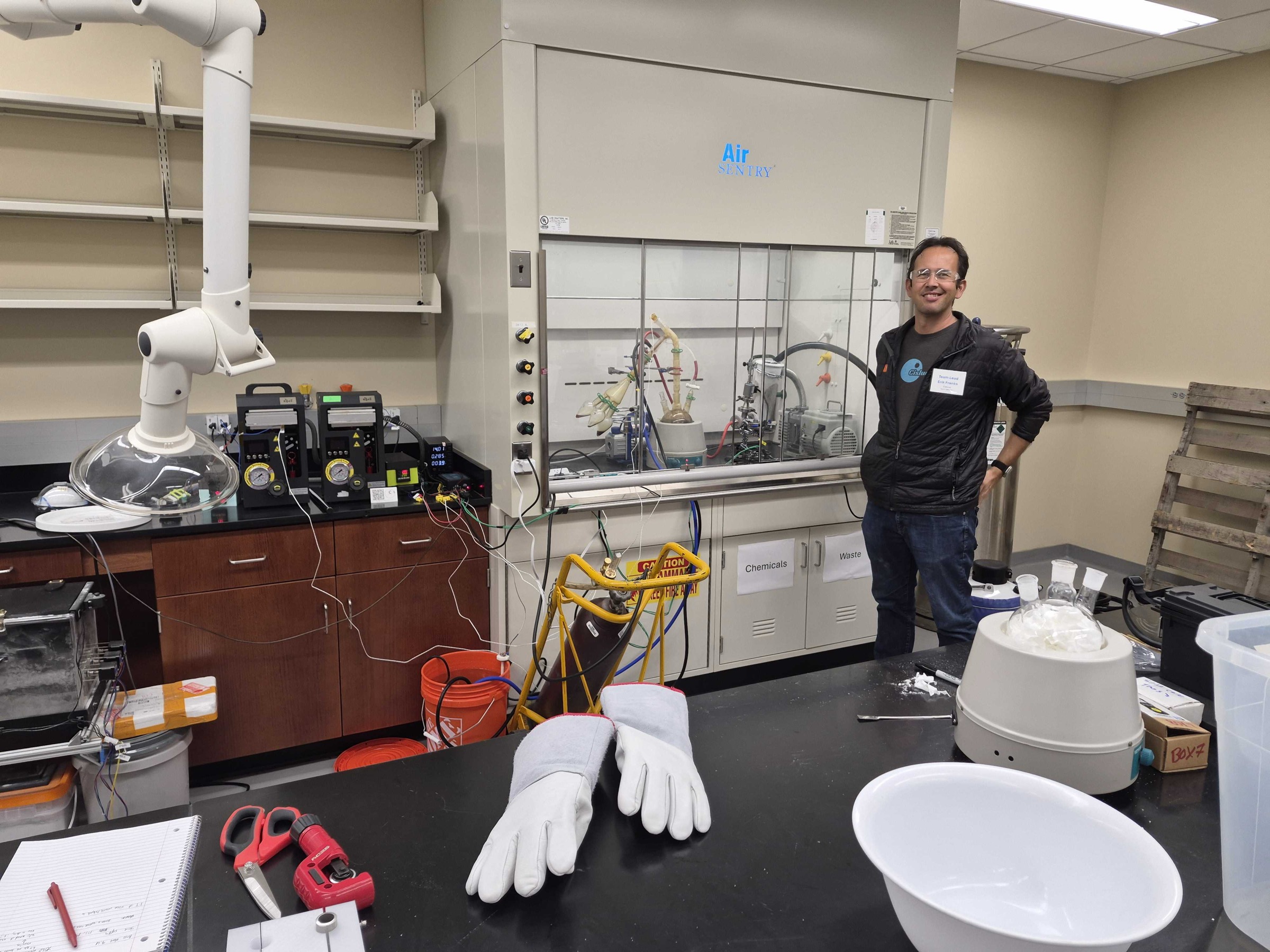
A recycling system recognized for doing more with less mass.
At NASA’s LunaRecycle Challenge finals, Cislune’s CRAFTER system earned the $50,000 Highest Mass Efficiency Prize.
The challenge brings a practical spaceflight question into the lab: how can a crew recover useful products from waste without carrying a large processing plant?
NASA’s official resultsSee the finals story and photos
15 days. 77 excavation and delivery cycles. 87 km driven.
During Cislune’s Mojave Desert campaign, the system excavated and transported more than 3,280 kg of material. Keeping it working meant coordinating excavation, hauling, operators, power, maintenance, and logistics over repeated runs.
The field campaign led into NASA’s Break the Ice Lunar Challenge finals. NASA’s results paper offers a closer look at the final competition.
More systems in development
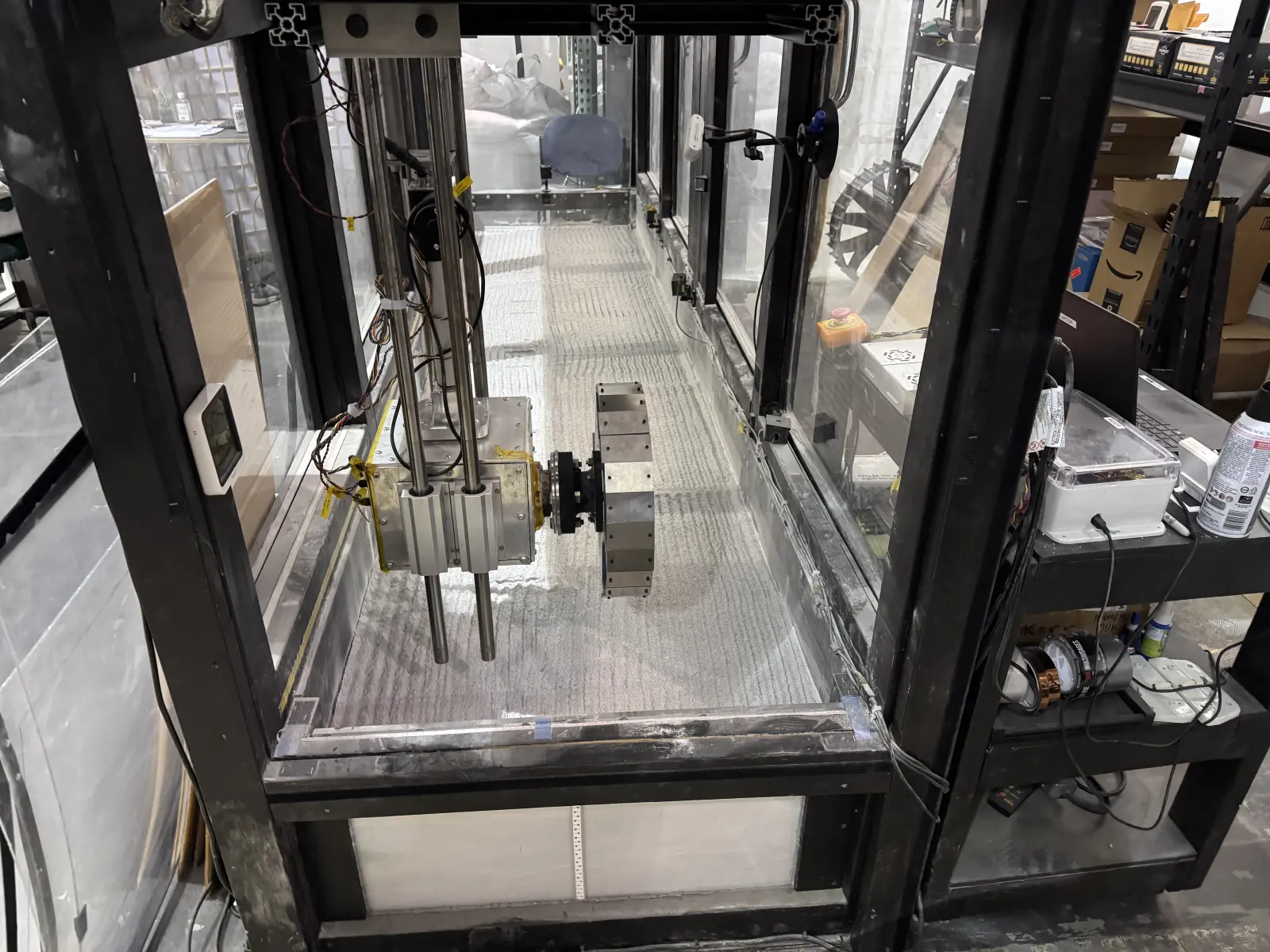
Mobility and prepared surfaces
Wheel testing, soil-strength measurement, traction, and compaction through TREAD, GRASP, and CRATR.
Mobility and site preparation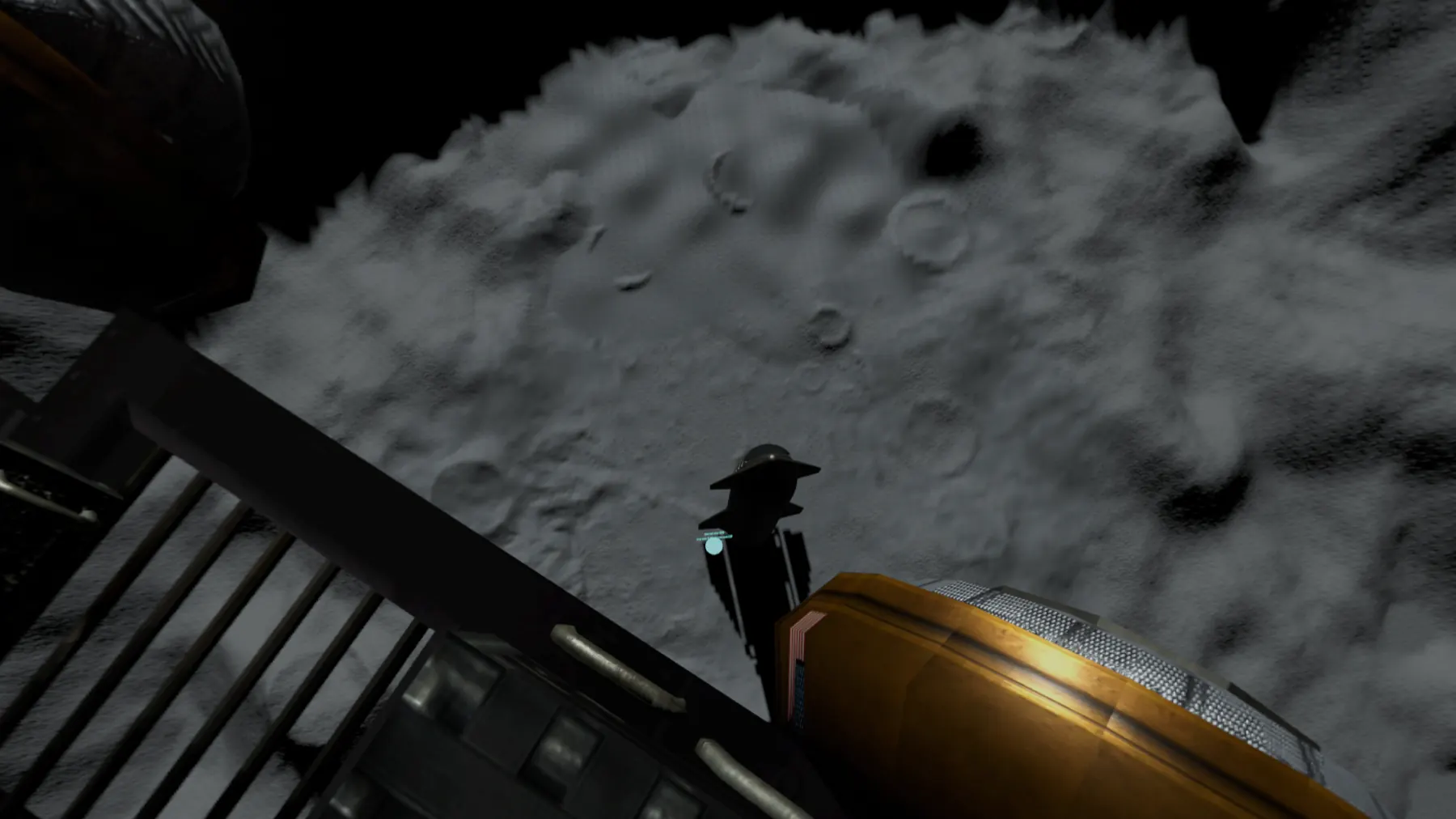
Rehearsing lunar work
SimMoon provides a place to explore surface missions. CARVE connects rover development with simulation and public build documentation.
Simulation and rovers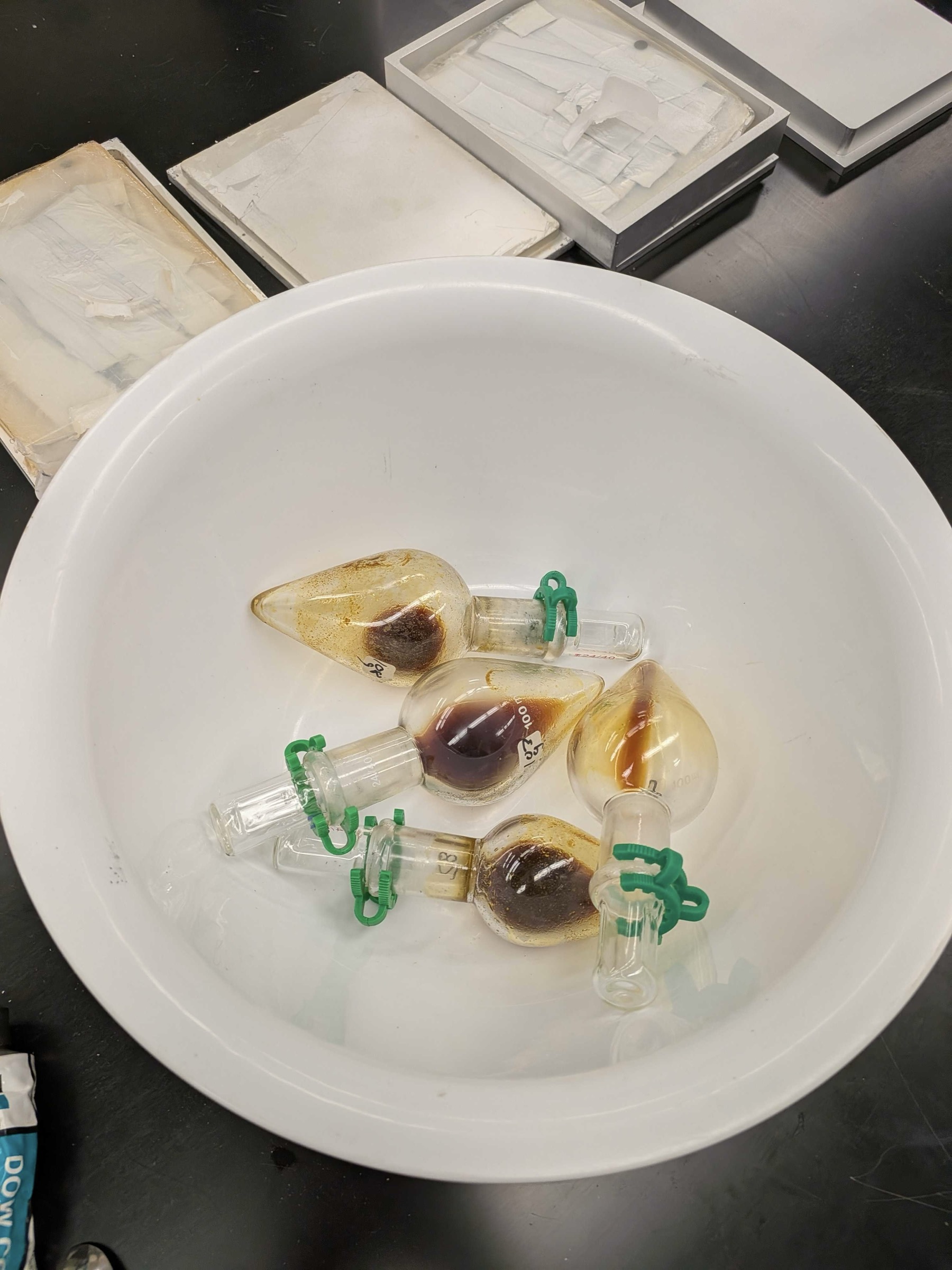
Processing local resources
CISORT investigates mineral separation and material handling. Our materials work also covers construction feedstocks and recycling.
Resources and materials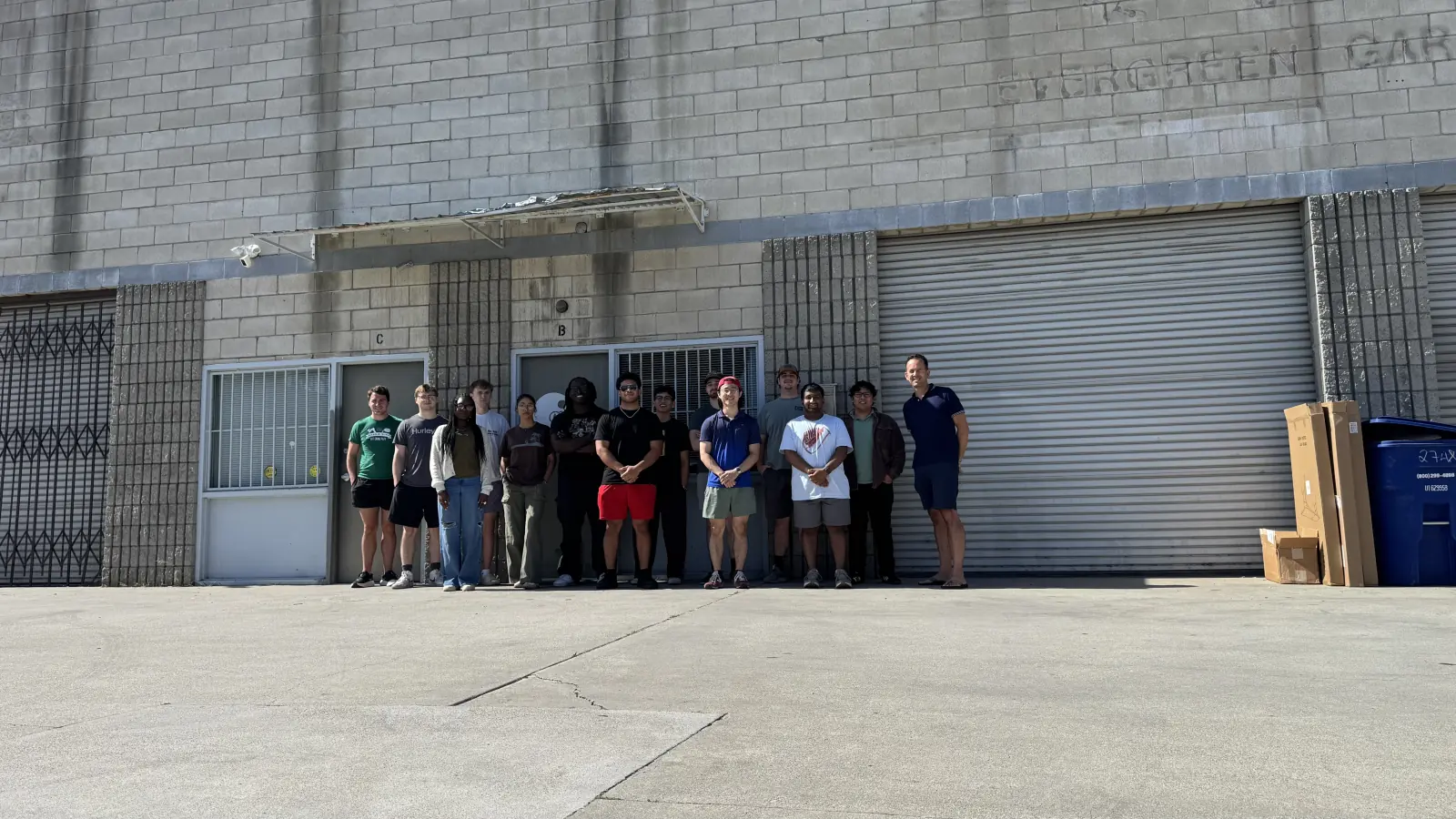
Engineers who build the test, too.
Our work spans mechanical design, fabrication, electronics, controls, materials, and field operations. That lets the people developing a system work directly with what happens when it runs.
Alongside NASA-funded development, Cislune has worked with Honeybee Robotics on PERDEX and supports Lockheed Martin on commercial lunar infrastructure work.
Latest from Cislune
All updates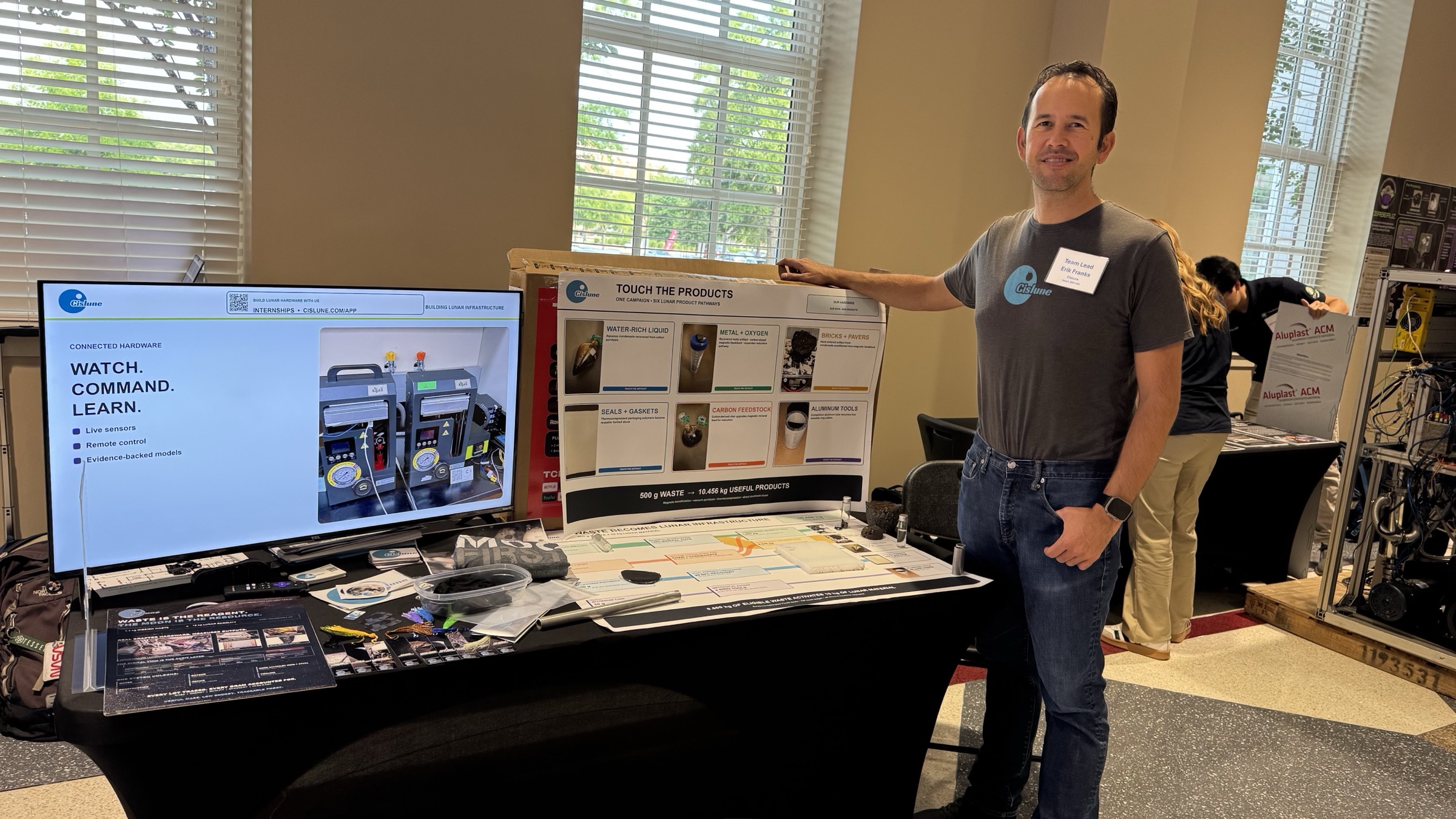
Cislune wins NASA’s Highest Mass Efficiency Prize
CRAFTER at the LunaRecycle finals in Tuscaloosa, Alabama.
Read the storyWhat are you working on?
A mission concept, a stubborn hardware problem, a research question, or an idea for working together: we’d like to hear it.