Machines and software for working on the Moon.
Excavation, material processing, mobility, site preparation, and mission rehearsal. Each program tackles a different part of surface operations.
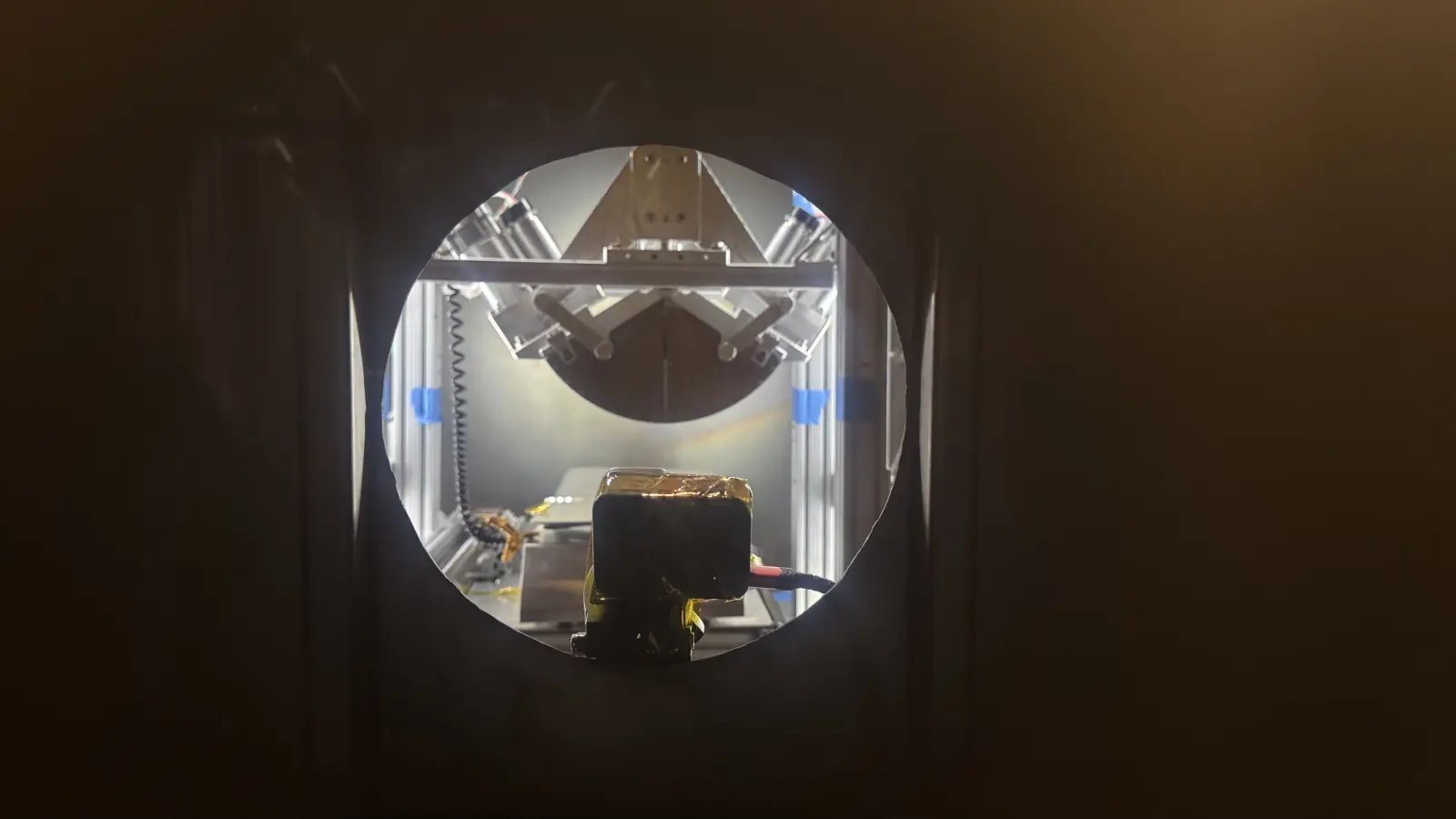
Collect the soil. Preserve the resource.
PERDEX develops excavation and handling methods for icy regolith, where disturbing and warming the material can release water before it reaches a processor.
Cislune has completed hardware testing, including thermal-vacuum work. The program offers a starting point for excavation payloads, material-handling interfaces, and further test campaigns.
PERDEX test campaign and NASA award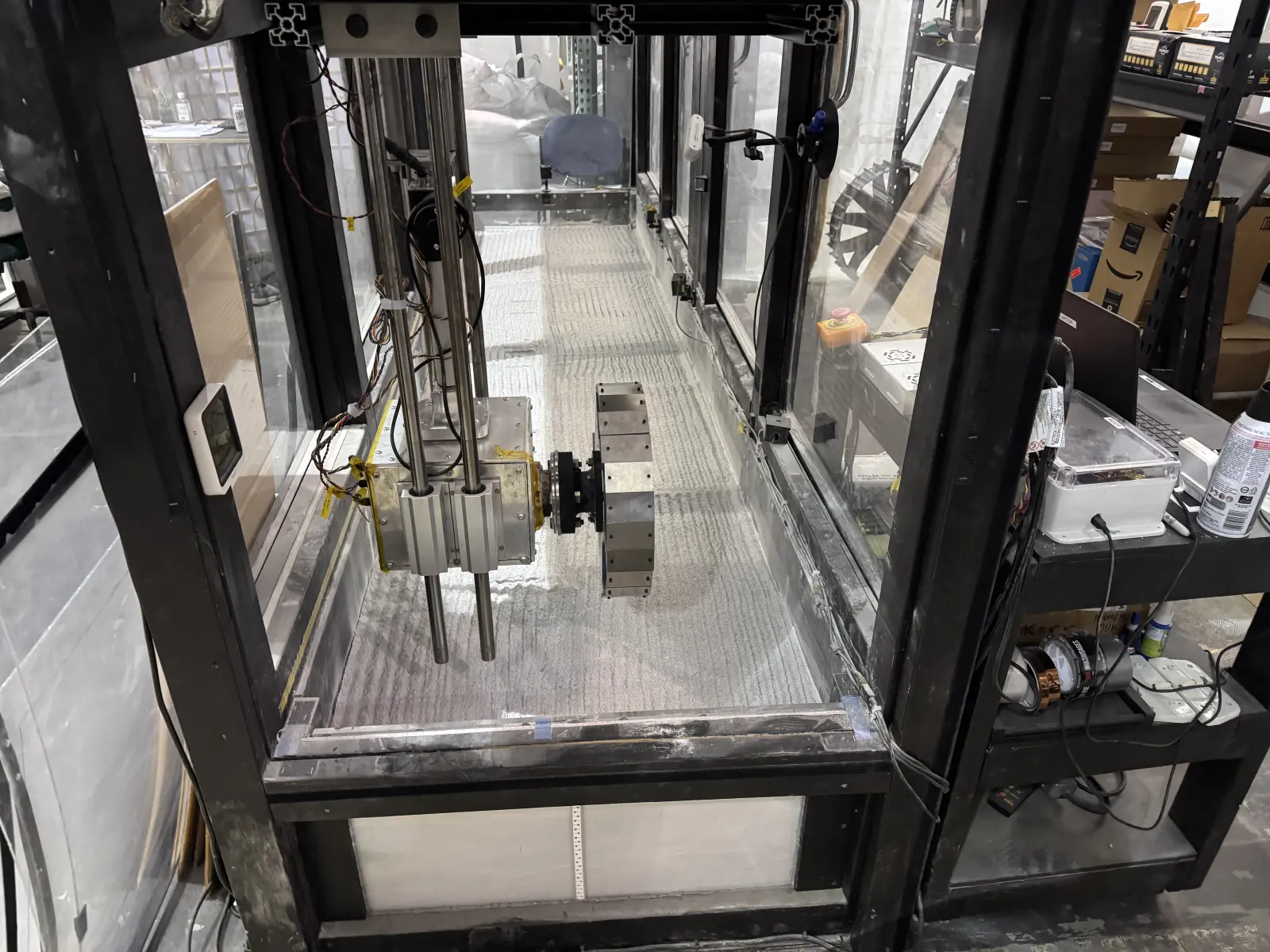
Understand the ground beneath the wheel.
Traction, wheel wear, soil strength, and compaction affect how vehicles move and how their routes change over time.
- TREAD: wheel-terrain testing and mobility prediction.
- GRASP: geotechnical measurement and surface compaction.
- CRATR: rover traction and regolith-interaction development.
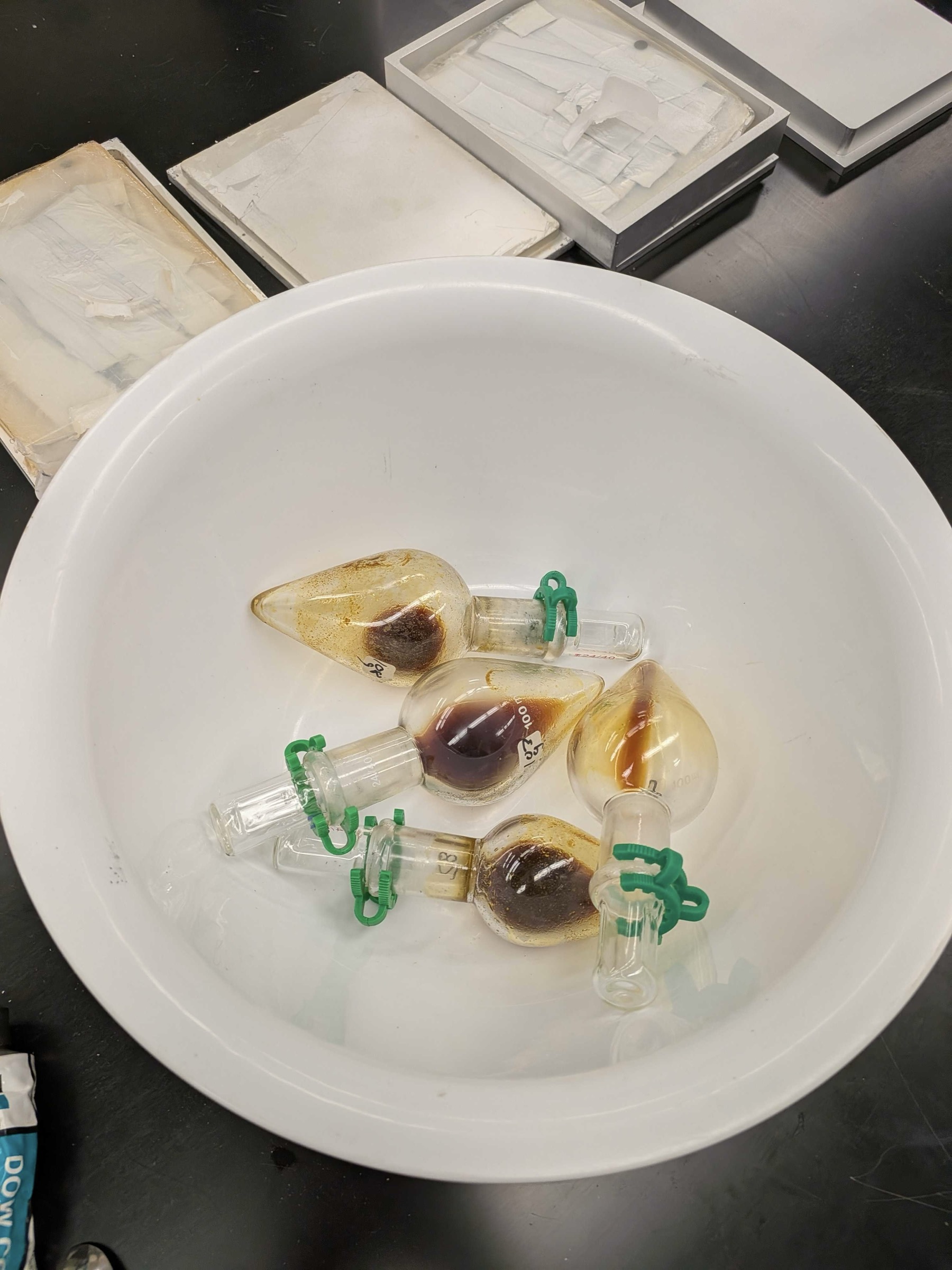
Turn material into something a mission can use.
CISORT investigates regolith beneficiation: separating material into more useful feedstocks, with material handling and vertical conveyance as part of the process.
CRAFTER tackles resource recovery from waste. It earned NASA’s Highest Mass Efficiency Prize at the 2026 LunaRecycle finals.
CRAFTER at the NASA finals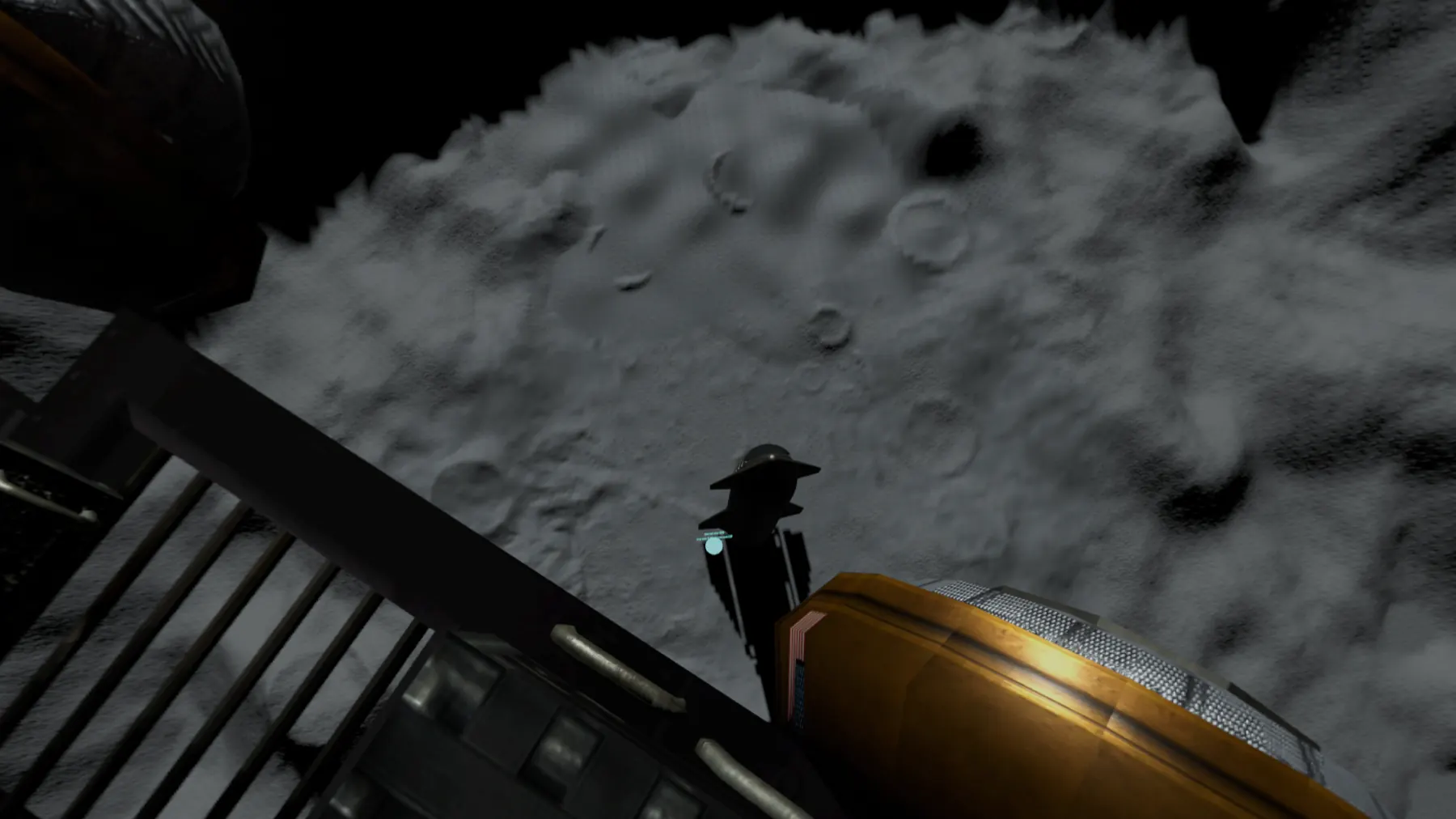
Rehearse the operation while developing the hardware.
SimMoon is an immersive lunar mission-rehearsal environment. CARVE supports rover development through simulation, controls, and an evolving physical platform.
TRUST/CITA focuses on AI mission support and the interaction between human operators and autonomous systems.
Explore SimMoon and watch the demoPrepare the places where missions land, travel, and work.
Site preparation
GRASP and SHEARPREP explore measurement, compaction, and stronger surfaces for rover traffic and civil works.
Landing protection
FLUFSCAN and plume-surface interaction work address the dust and ejecta produced when rocket exhaust meets the ground.
Construction materials
Geopolymer and controlled low-strength material experiments support work on pads, roads, berms, and regolith-based construction.
A rover prototype on the move
From a bench experiment to a field campaign.
Our Southern California facilities support fabrication, electronics, material preparation, regolith testing, and simulation. Lucerne Valley analog operations and BrightDrop 400 and 600 electric vans support equipment transport and work away from the shop.
What are you working on?
A mission concept, a stubborn hardware problem, a research question, or an idea for working together: we’d like to hear it.