Case study / field robotics
Break the Ice: lunar excavation tested as field operations
Cislune used NASA’s Break the Ice Lunar Challenge to test the connected problem: excavation, hauling, autonomy supervision, power, reliability, and field logistics over sustained operations.
Discuss a field demonstration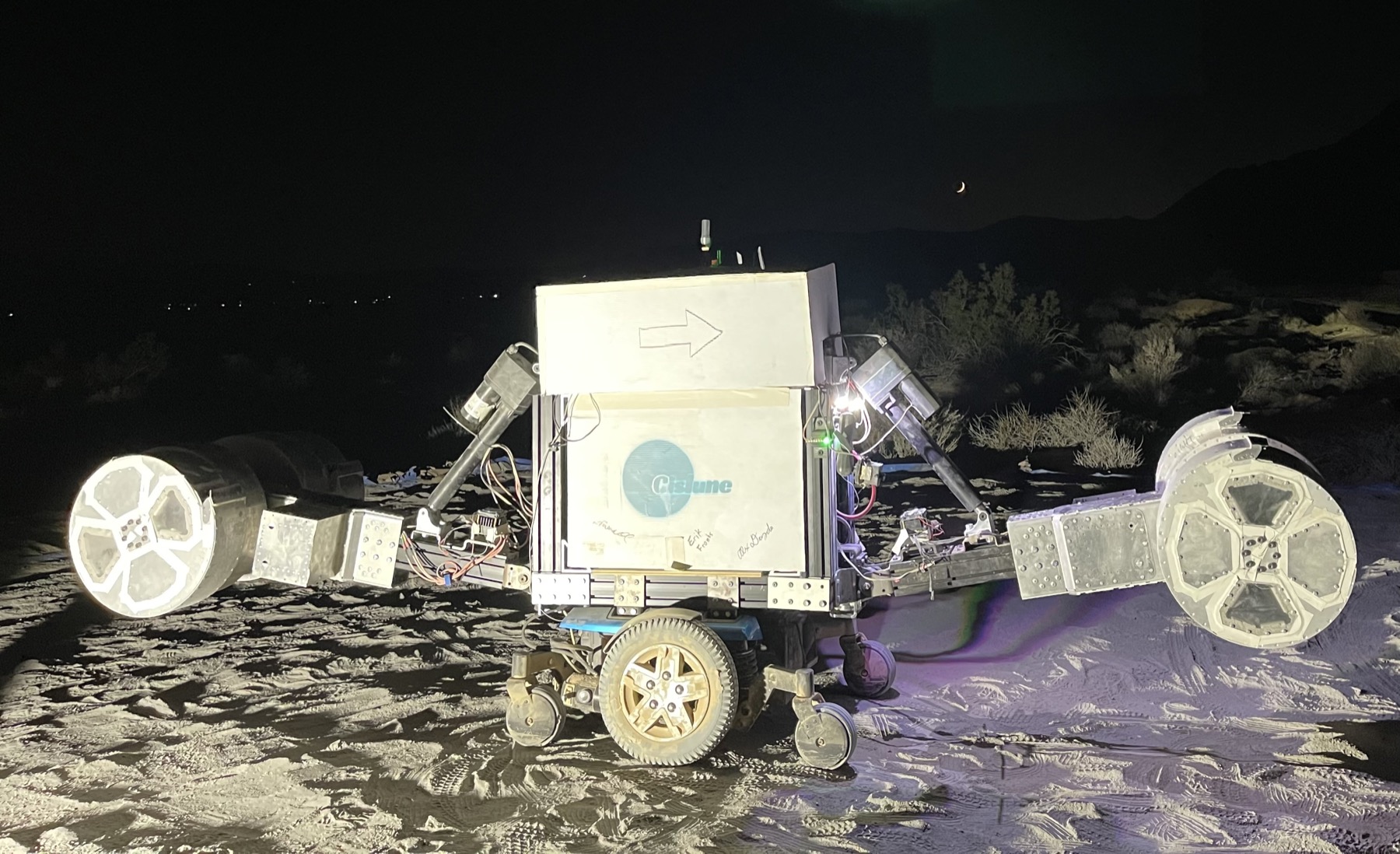
The operating question
Can the system keep working after the first successful demo?
Field robotics exposes the connections that laboratory demonstrations can hide. Hardware must survive dust and repeated cycles. Operators need useful telemetry and recovery paths. Mobility, excavation, energy, logistics, and maintenance all compete for time and margin.
Cislune’s campaign treated the rover as an operating system in the literal sense: a machine, a field team, procedures, spares, transport, data, and daily iteration working together.
Building the testbed comes first
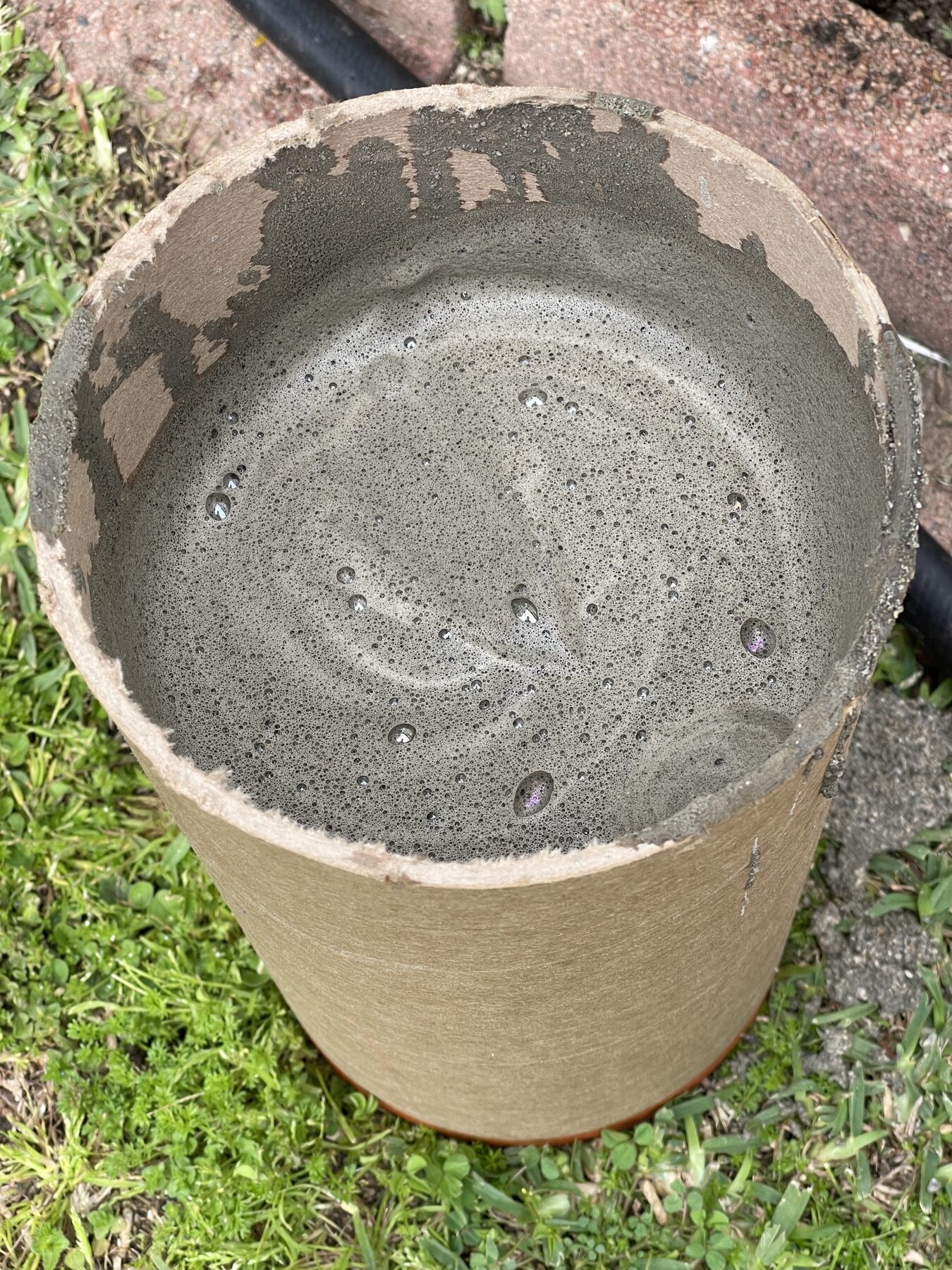
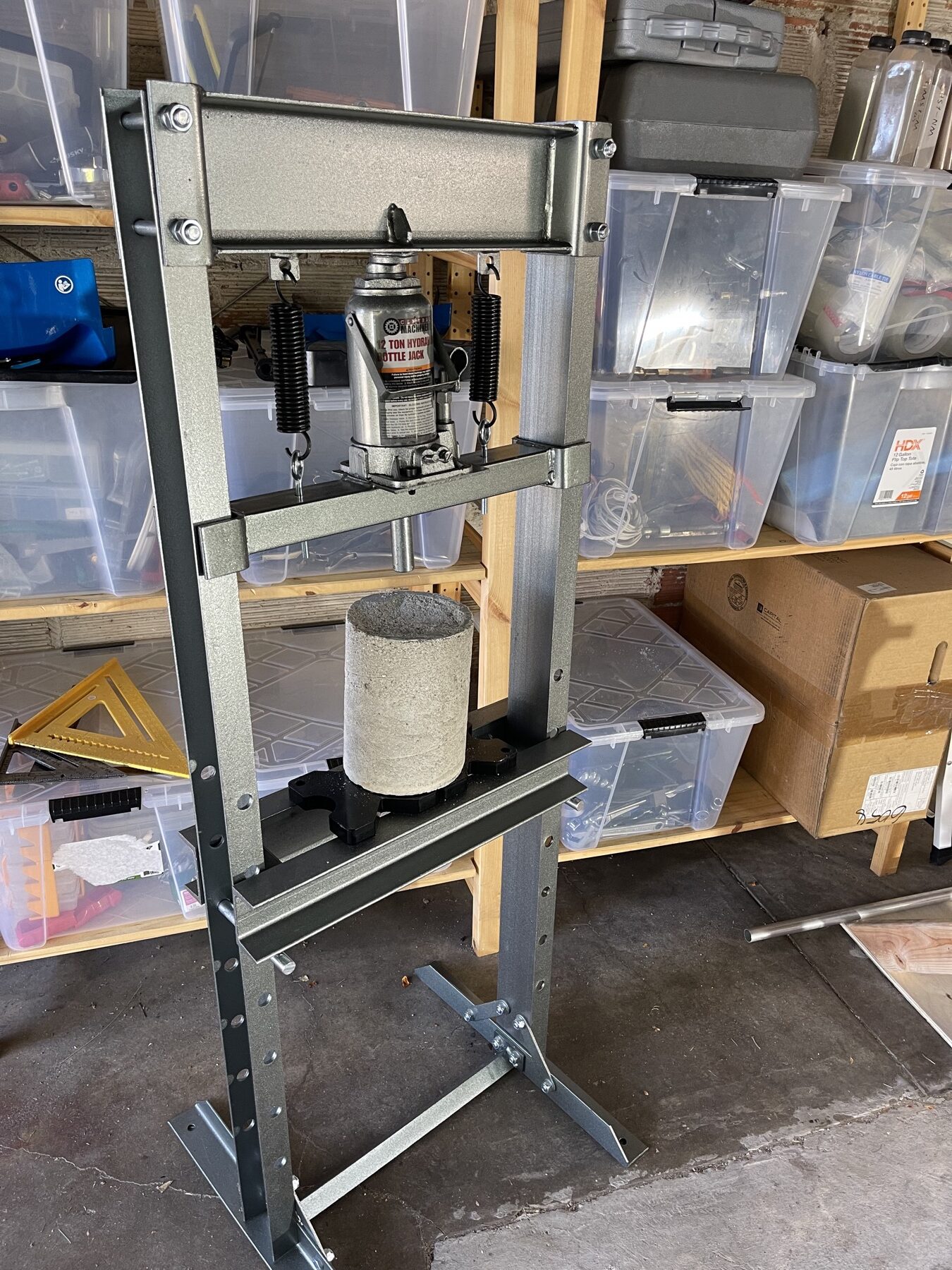
Material preparation
Samples and test equipment behind the excavation work.
NASA finals
The rover carried 80 kg through every challenging shortcut.
NASA’s published final-results paper records Cislune transporting an 80 kg payload and returning to the start in 18 minutes 58 seconds. The rover traversed the extreme inline slope, boulder field, and cross-slope shortcuts in both directions.
That result sits beside the longer Mojave campaign: a concise NASA comparison event backed by weeks of Cislune field experience.
Use the heritage
A field campaign is where hardware becomes an operating capability.
Cislune can support excavation and mobility demonstrations, analog campaigns, test logistics, subsystem integration, procedure development, and the difficult work of turning isolated successes into repeatable operations.
Plan a field campaign