Category: Updates

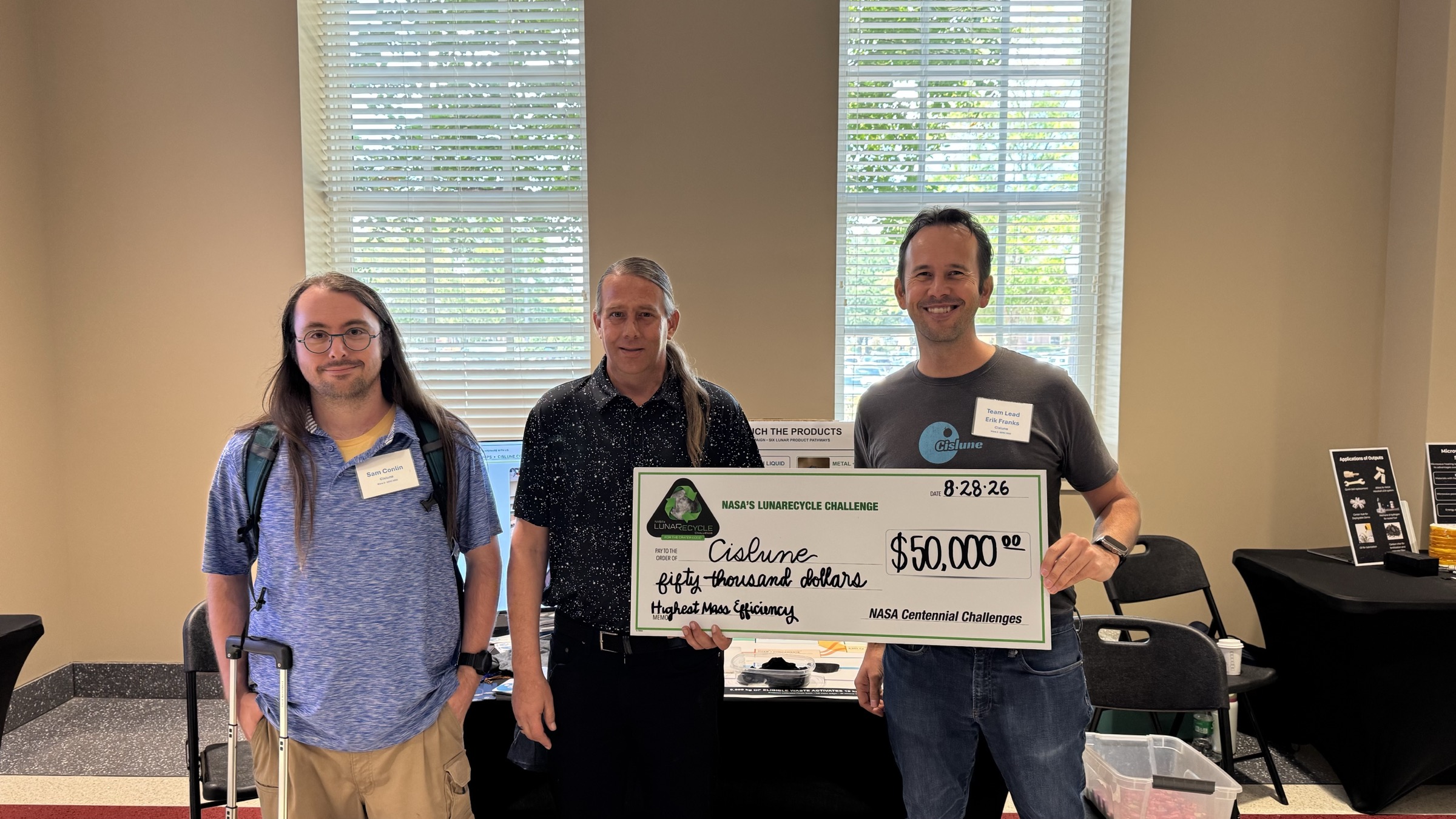
  • Cislune wins NASA LunaRecycle Highest Mass Efficiency Prize

    Cislune wins NASA LunaRecycle Highest Mass Efficiency Prize

    $50,000Highest Mass Efficiency Prize
    14 teamsPhase 2 finalists in Tuscaloosa
    5 daysLive finals, August 24-28, 2026
    On the Moon, waste is already paid-for mass.

    Every kilogram carried beyond Earth is expensive. Packaging, fabrics, foam, plastics, and metals cannot remain a one-way logistics stream if crews are going to live and work far from home for long periods.

    NASA’s LunaRecycle Challenge asks teams to turn that constraint into useful capability. At the Phase 2 finals in Tuscaloosa, NASA recognized Cislune’s Carbon Recovery and Feedstock Transformation for Extraterrestrial Reuse, or CRAFTER, with the challenge’s Highest Mass Efficiency Prize.

    Mass efficiency is a systems question: how much useful output can a recycling approach produce from the mass it must carry and process? For exploration missions, that discipline connects waste reduction to logistics, maintenance, construction, and local resource use.

    Read NASA’s official Phase 2 results

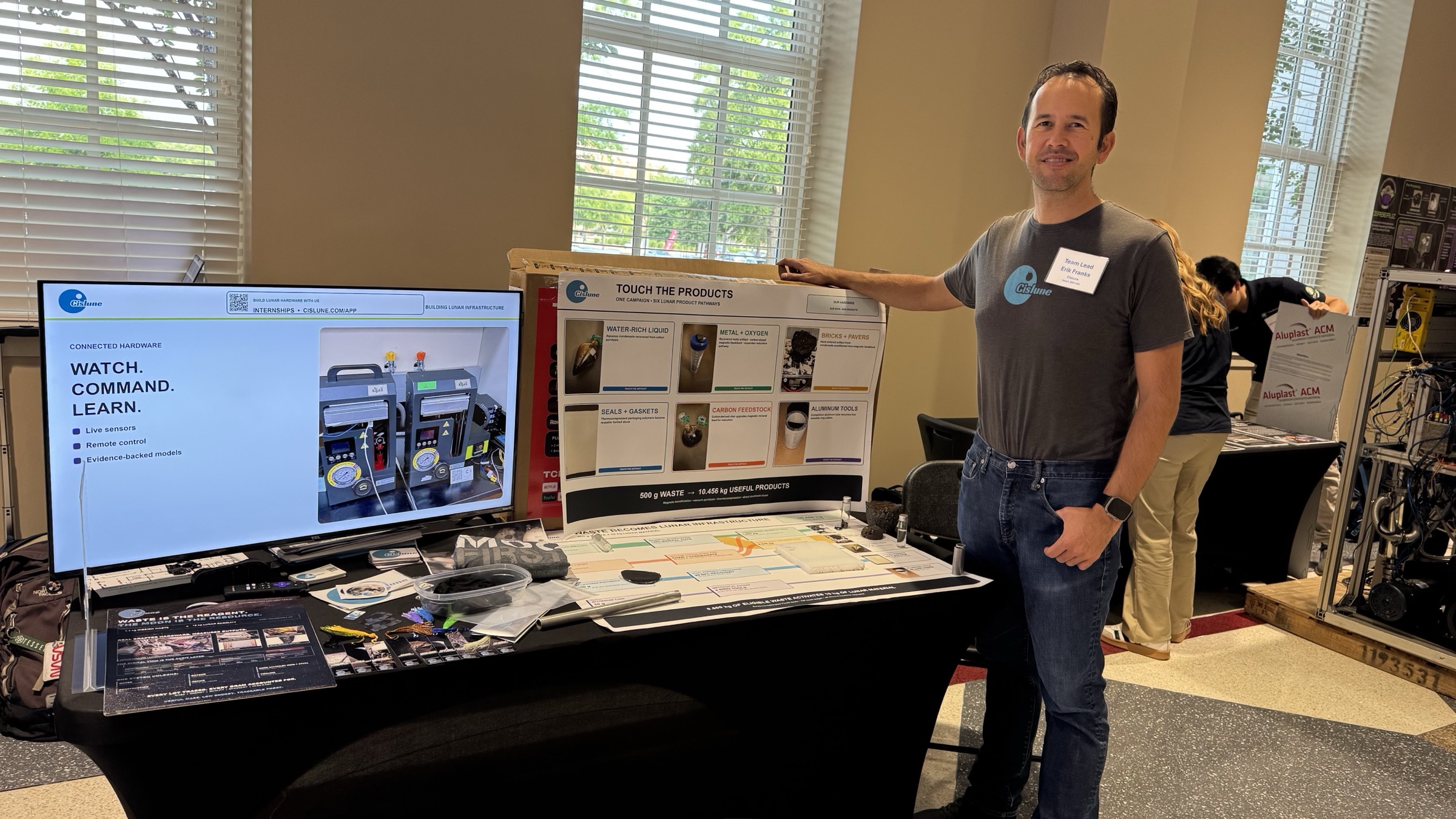
    Erik Franks stands beside Cislune's CRAFTER exhibit and physical product samples at the NASA LunaRecycle Challenge finals.
    Erik Franks with CRAFTER’s public demonstration and representative products at the LunaRecycle finals.

    From waste to useful pathways

    A practical recycling system has to make more than a good-looking sample.

    CRAFTER explores how mixed mission waste can become useful feedstocks for future surface systems. The public demonstration connected several pathways, including carbon-rich material, recovered metal, water-bearing products, elastomeric material, and construction-related uses.

    The finals exhibit was intentionally tangible: visitors and reviewers could see the system context, handle representative products, and connect the physical evidence to live sensors, controls, and models.

    A working campaign

    The award came from a week of hardware, measurement, and adaptation.

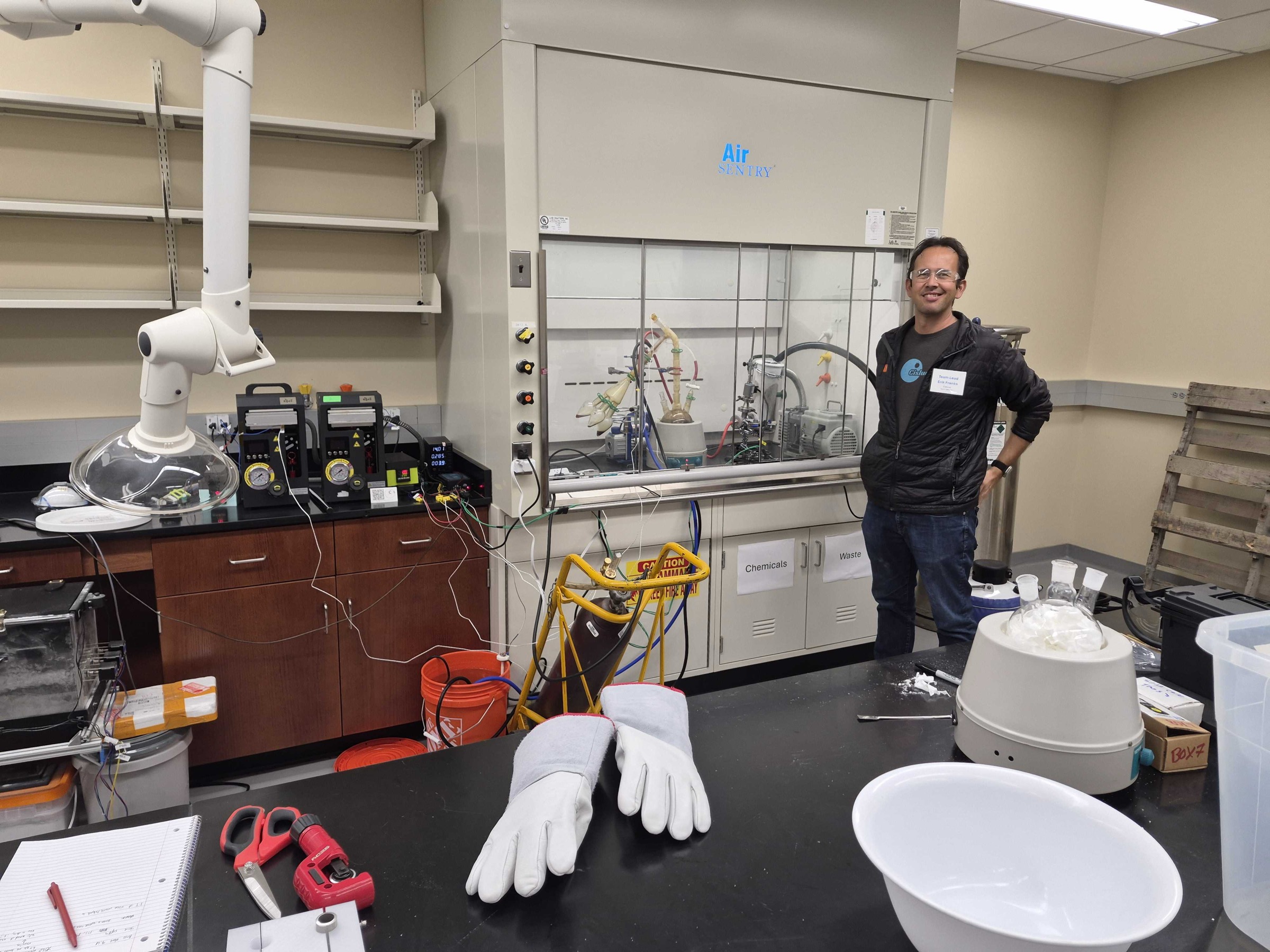
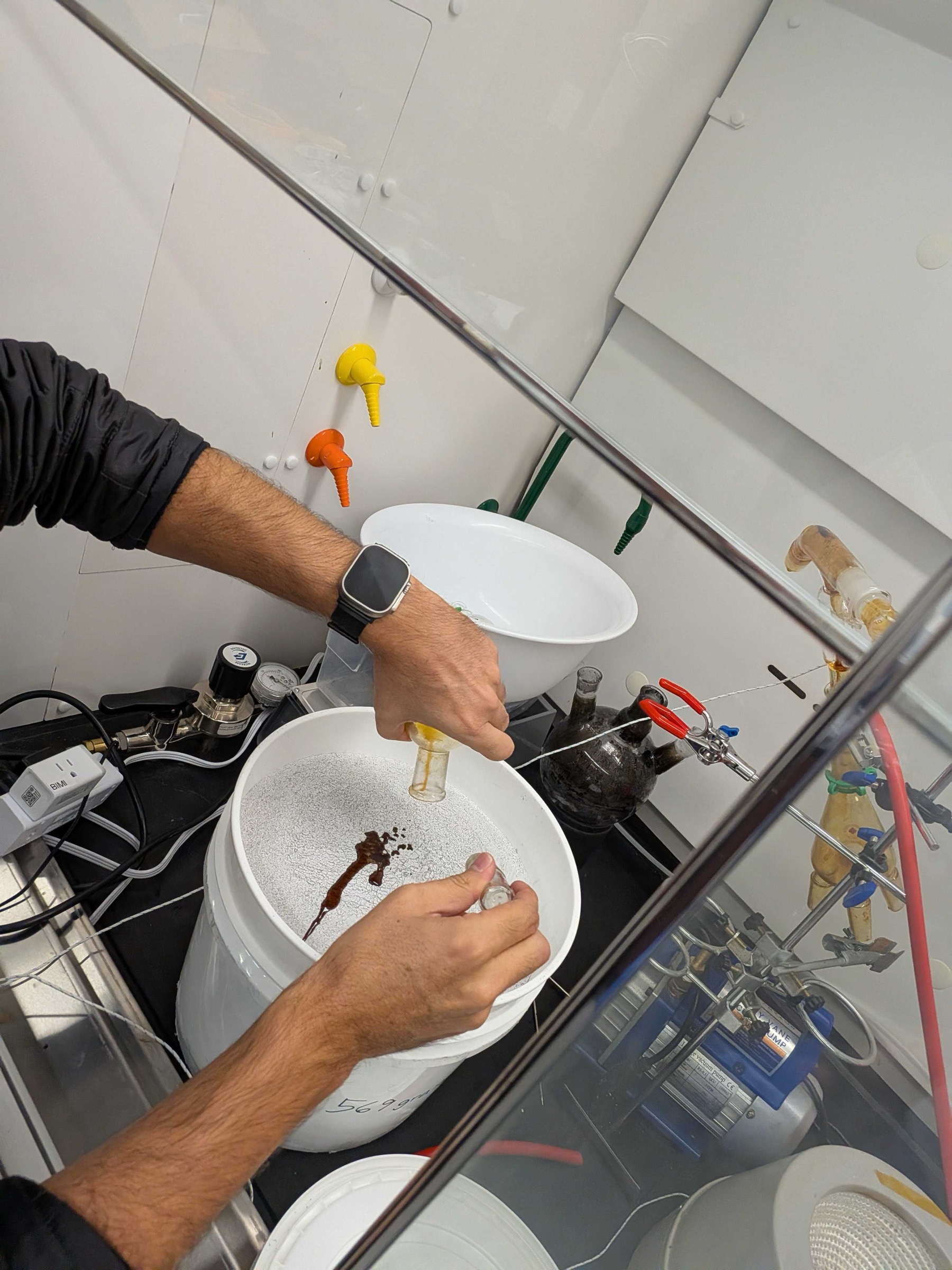
    Finals week brought Cislune’s process hardware, instrumentation, controls, material handling, and public demonstration into one operating environment. That matters because useful lunar systems have to work as integrated campaigns, not isolated components.

    Evidence you can hold

    Recovered material is the beginning of the next system.

    For Cislune, recycling is not an isolated sustainability exercise. It is part of a larger surface-infrastructure problem: recovering resources, preparing feedstocks, moving material, verifying quality, and connecting the result to the next manufacturing or construction step.

    The Highest Mass Efficiency Prize is a meaningful result on that path. It rewards useful output while keeping the whole mission mass balance in view.

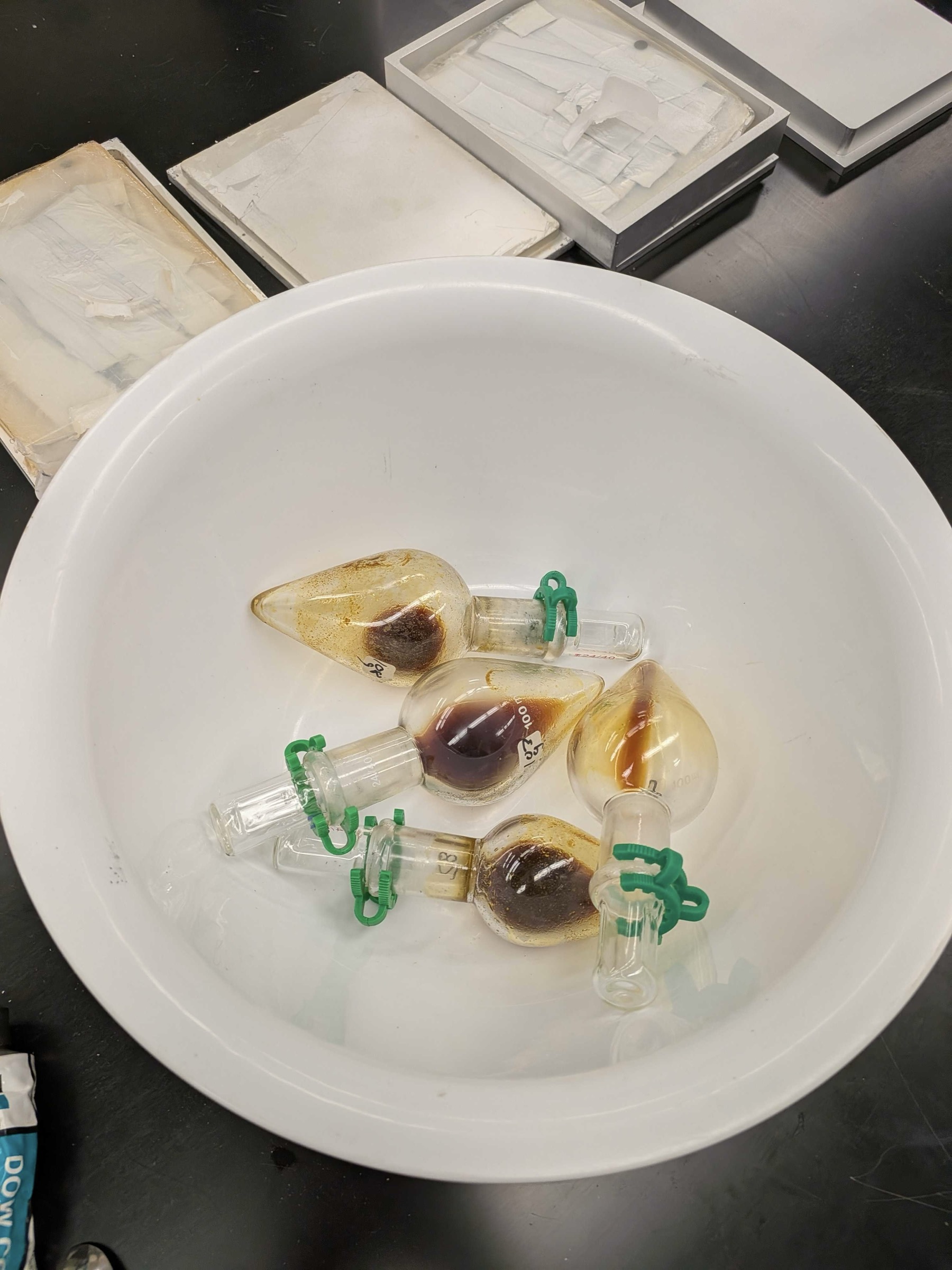
    Small glass vessels contain representative material samples collected during Cislune's LunaRecycle finals campaign.
    Representative material samples collected during the CRAFTER finals campaign.

    What comes next

    CRAFTER opens several useful collaboration paths.

    Closed-loop logistics

    Mission waste modeling, material accounting, and demonstrations that connect disposal streams to useful resources.

    Resource recovery

    Hardware and controls for separating, recovering, and conditioning materials for the next surface operation.

    Integrated campaigns

    Partnered test programs that combine process hardware, sensors, digital models, field logistics, and operator workflows.

    Cislune is interested in conversations with NASA, other agencies, space companies, researchers, manufacturers, and investors working on sustainable exploration and lunar surface infrastructure.

    Start a conversation with Cislune
  • Cislune summer progress: hardware, software, and public collaboration

    Cislune summer progress: hardware, software, and public collaboration

    15 NASA contractsClosed or in final review since 2021
    7 NASA competition winsChallenge and prize-program credibility
    Commercial partnersWork with Honeybee Robotics and Lockheed Martin

    Why this update

    Cislune is becoming easier to evaluate, contact, and work with.

    Cislune’s work spans several technical areas, but the common thread is straightforward: lunar surface systems need practical hardware, credible test evidence, useful simulation, field logistics, and teams that can move quickly without losing engineering discipline. The updated website organizes that work around the problems Cislune can help solve next.

    The company now has 15 NASA contracts closed or in final review, 7 NASA competition wins, and active commercial credibility through work with Honeybee Robotics, a Blue Origin company, and Lockheed Martin. That combination matters for NASA reviewers, agency teams, commercial space companies, collaborators, and investors evaluating whether Cislune is more than a concept-stage lunar startup.

    Current workstreams

    Six visible areas of progress

    Website rebuilt for collaboration

    The new cislune.com emphasizes concise explanations, real hardware imagery, public award context, facilities, and contact paths for NASA, agency, prime contractor, investor, commercial, and research collaboration.

    Summer interns joining the build cycle

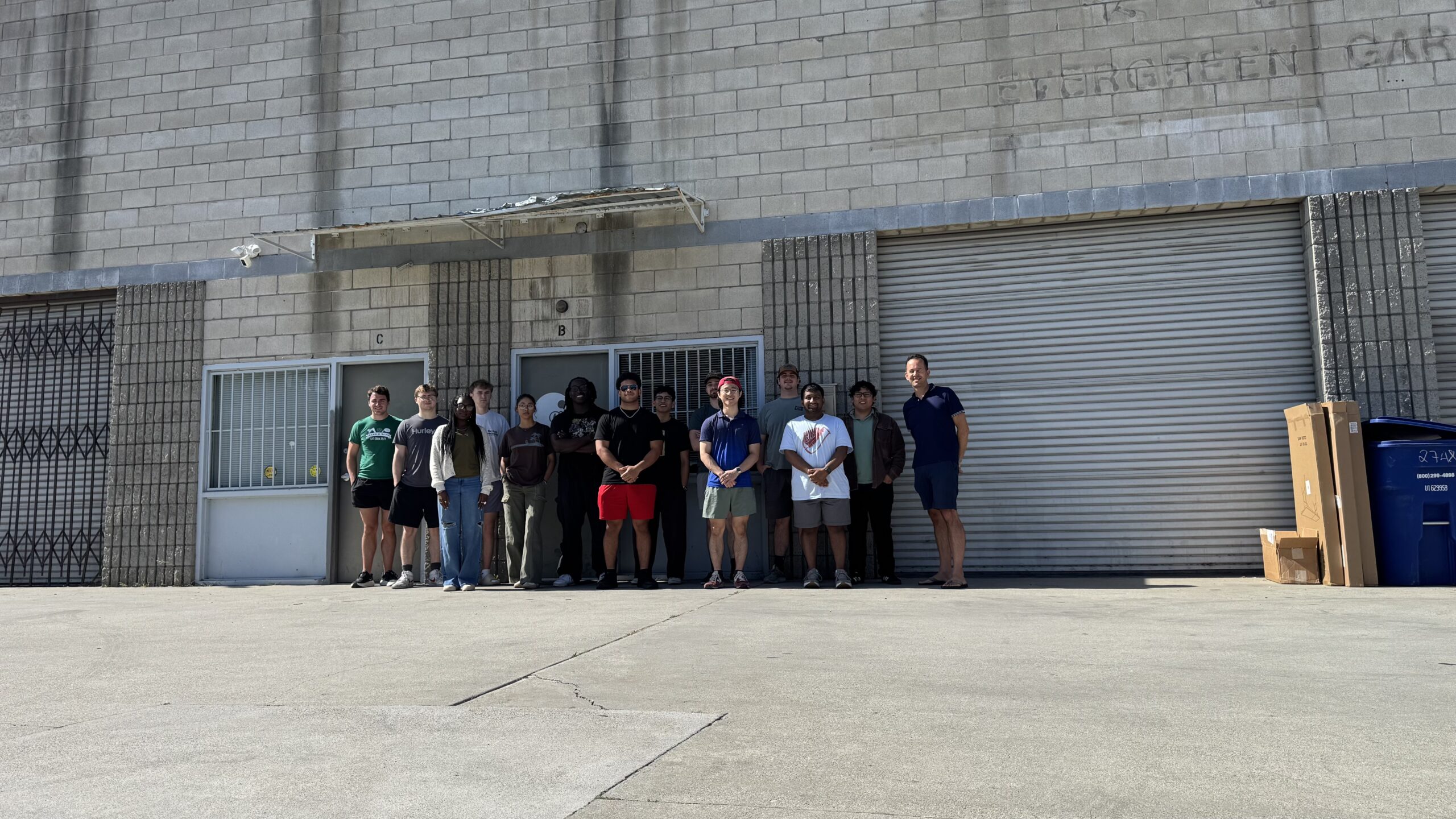
    Summer contributors are helping convert active programs into stronger documentation, test support, simulation workflows, public visuals, and repeatable engineering artifacts.

    LunaRecycle finals work

    Cislune is continuing work connected to LunaRecycle finals, with emphasis on material-processing evidence, practical demonstration readiness, and stronger recycling and resource-handling workflows.

    PERDEX testing and documentation

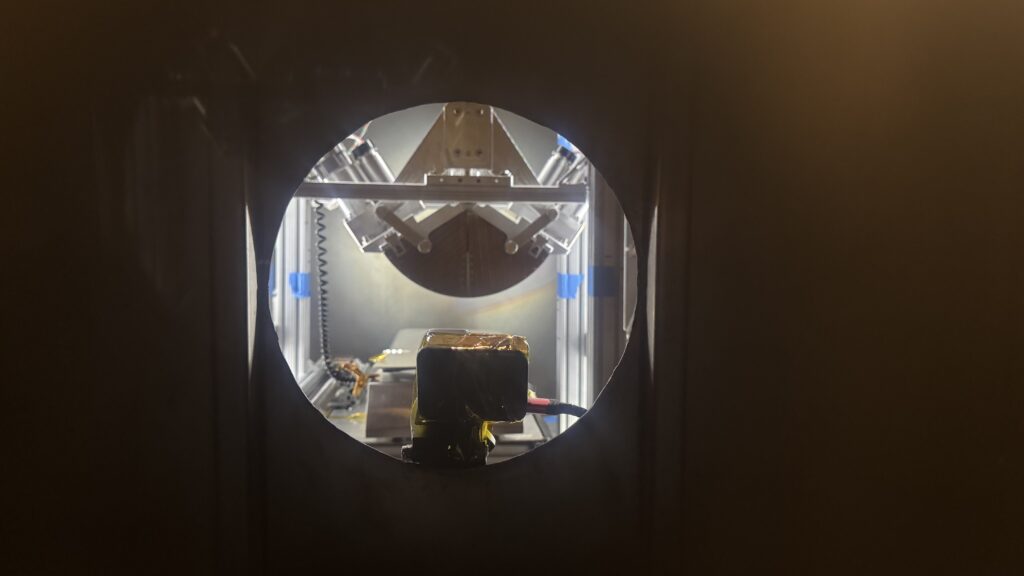
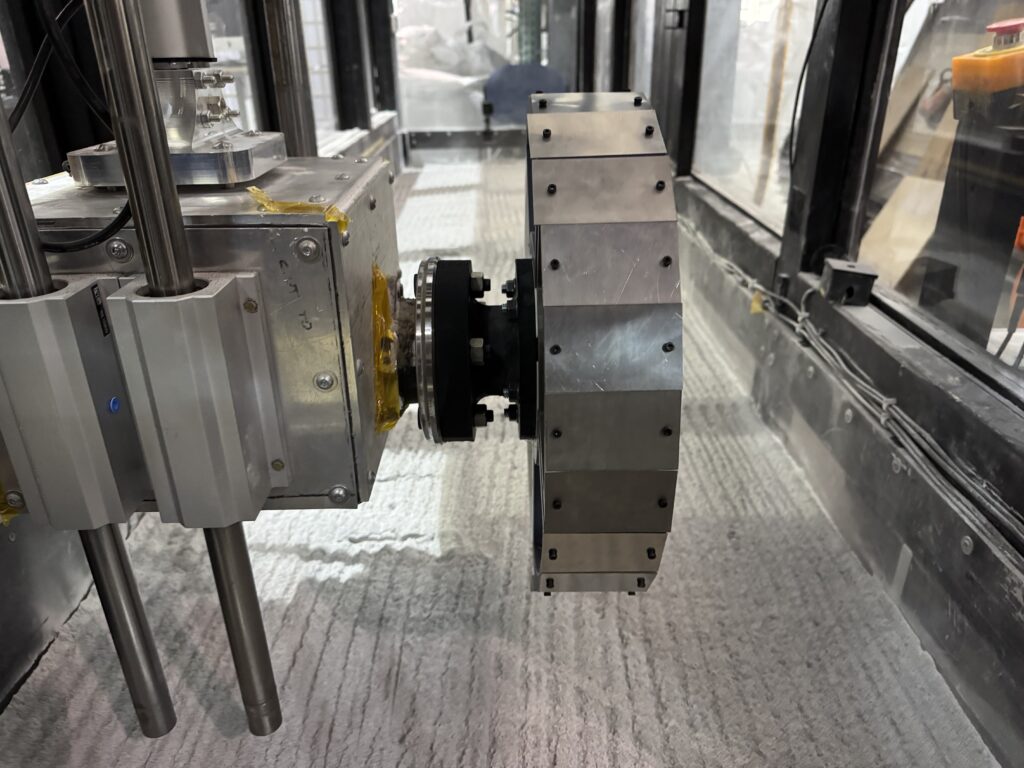
    PERDEX testing is complete, shifting attention toward documentation and the next integration questions. The result is tested hardware and material-interaction evidence relevant to volatile-aware lunar excavation and ISRU.

    CITA/TRUST Phase II

    Awarded Phase II work advances trusted autonomy, mission rehearsal, digital twins, hardware-in-the-loop workflows, and operator decision support.

    CARVE rover v2 and CISORT progress

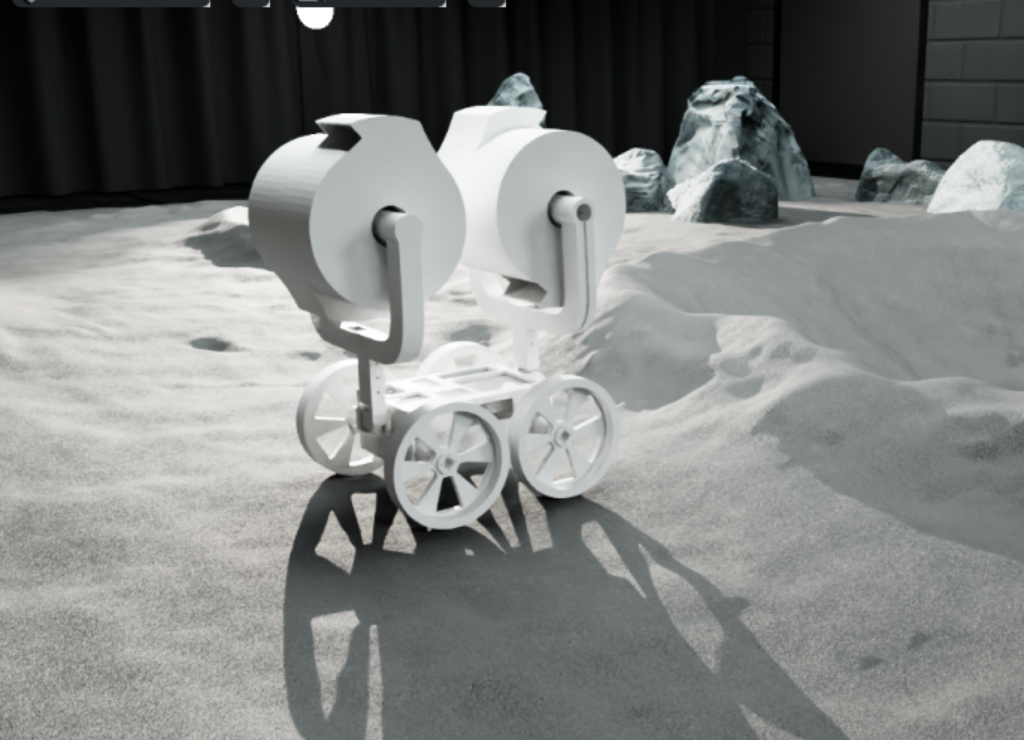
    CARVE rover v2 is in active development, while CISORT work continues on beneficiation and vertical conveyance. Both efforts support Cislune’s broader surface-operations stack.

    Hardware and software evidence

    The portfolio is moving as a connected system.

    Partner signal

    External work is becoming part of the Cislune story.

    Cislune has worked with Honeybee Robotics on PERDEX ice-mining excavation work and is supporting Lockheed Martin on commercial lunar infrastructure work. Those relationships connect the company’s NASA-funded portfolio to real external teams and practical lunar surface infrastructure needs.

    That mix of agency-funded development, competition wins, commercial work, shop capability, field logistics, and simulation gives Cislune multiple paths to help partners move lunar surface systems from concept toward testable hardware and operations.

    Collaboration areas

    Where the next useful conversations can start.

    Cislune is interested in conversations around excavation, regolith processing, surface preparation, trusted autonomy, simulation, recycling, field logistics, and lunar infrastructure demonstrations.

    A good first discussion can start with a mission need, a test campaign, an integration question, a field demonstration, or a customer-funded path for maturing a surface-system capability.

    Collaboration

    The next useful conversation starts with a mission need.

    Cislune is interested in discussions around excavation, regolith processing, surface preparation, trusted autonomy, simulation, recycling, field logistics, and lunar infrastructure demonstrations.

    Use the Cislune contact form